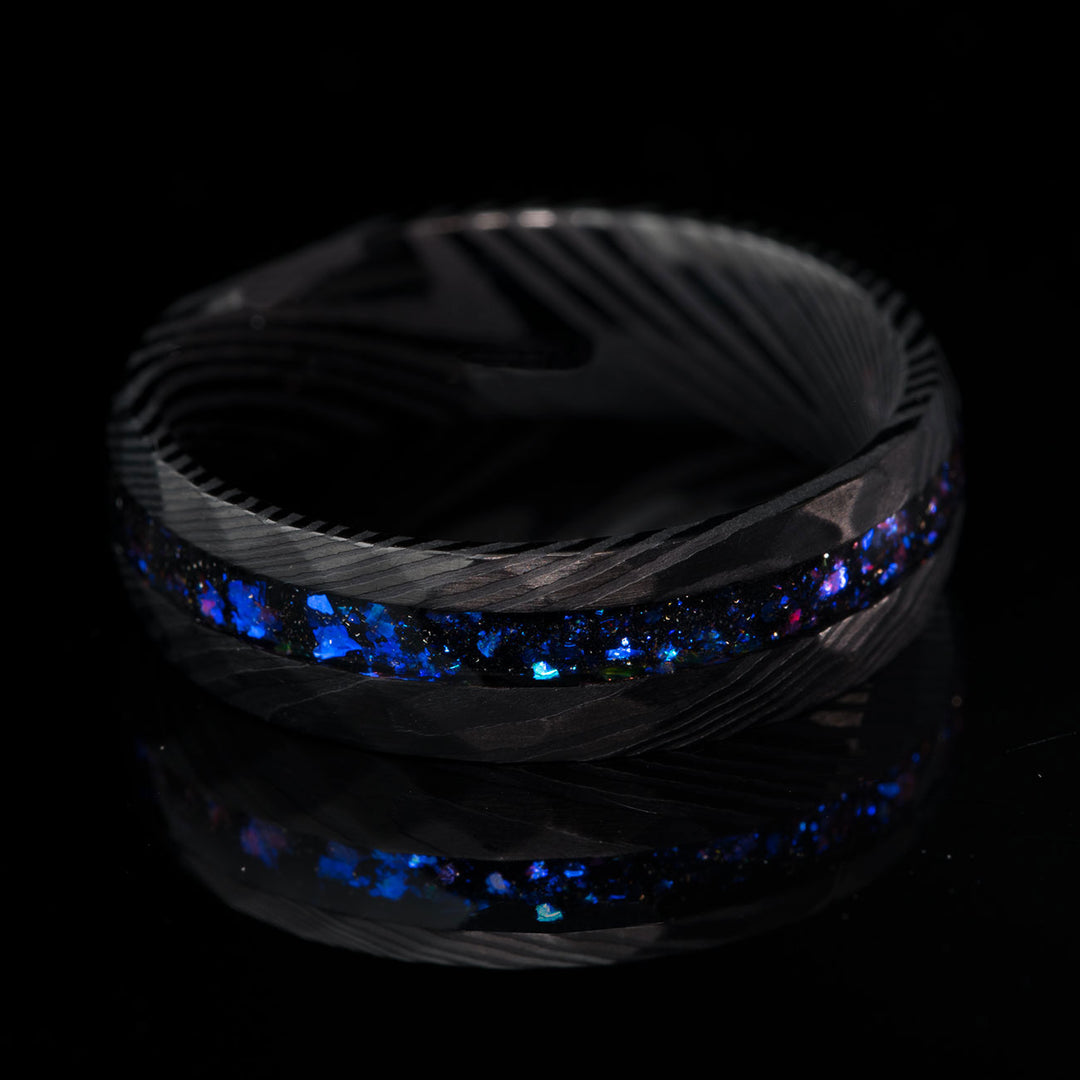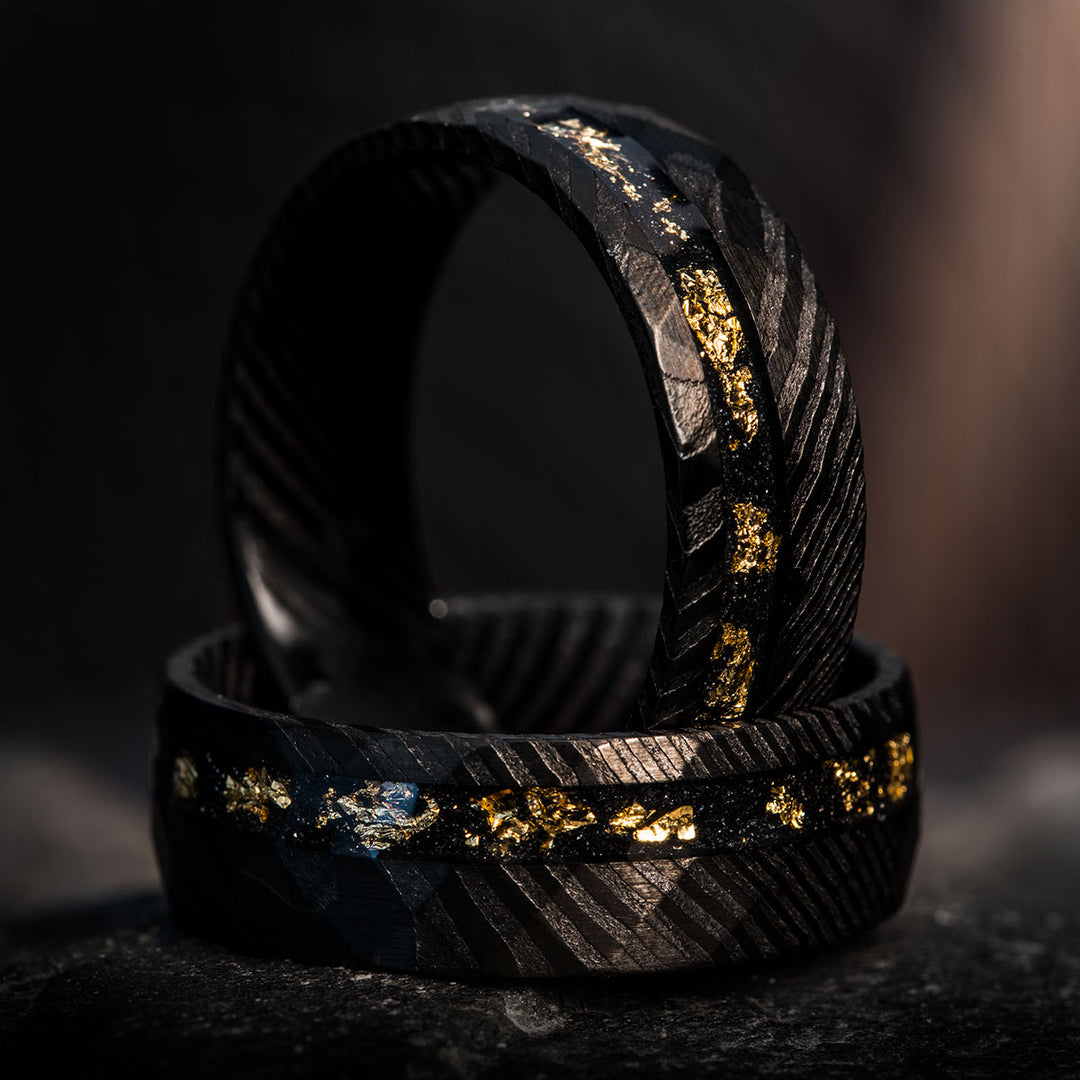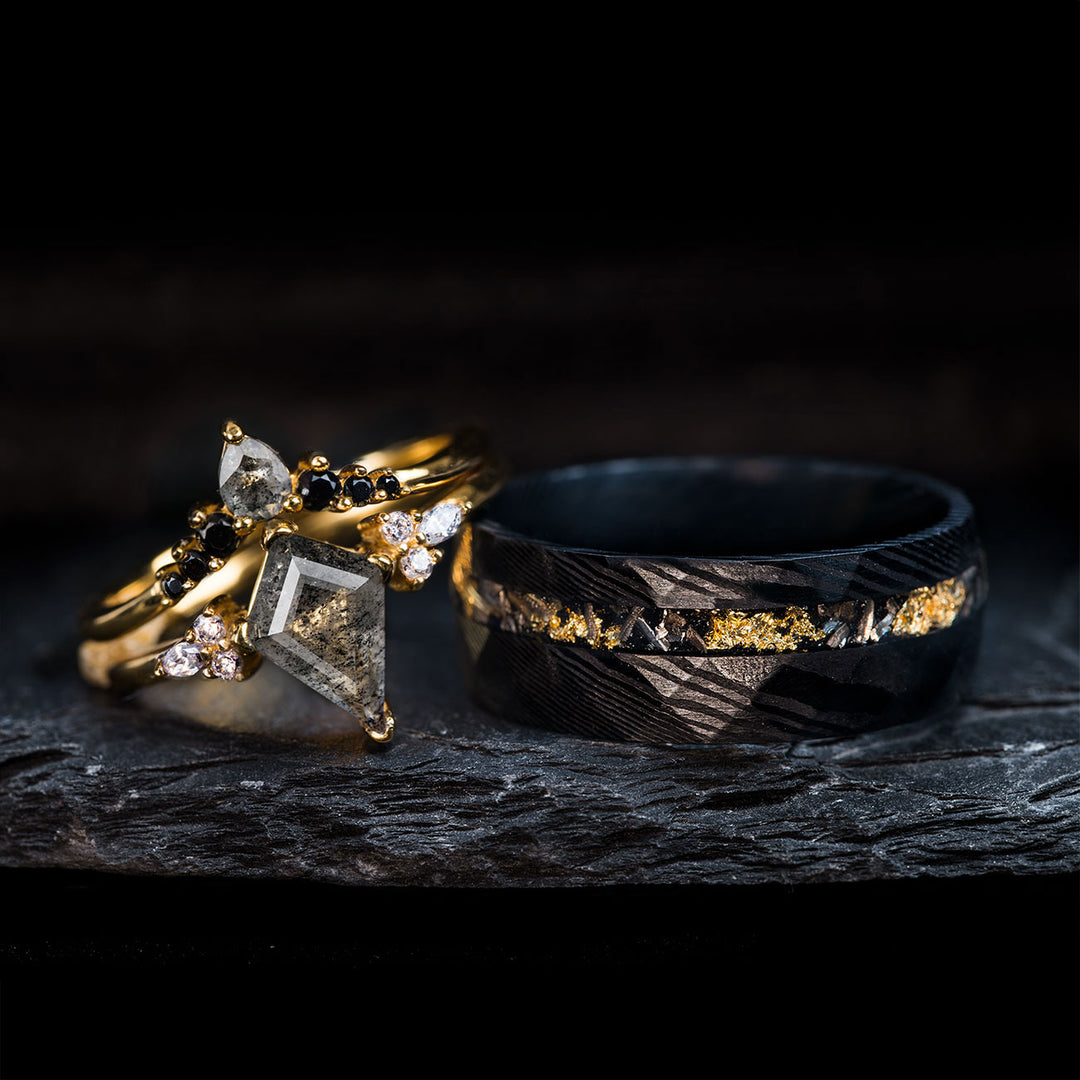


The Direct Answer: In most cases, the safest answer is no, you should not wear your ring in the water.
While it might seem easier to keep it on, wearing rings in the water exposes your jewelry to several hidden dangers. From chemical corrosion to the very real risk of the ring sliding down a drain, water creates many ways for your prized possession to get damaged or lost. This look at water safety will show you why keeping your jewelry dry is the best way to protect your investment.

The Risks of Wearing Men's Wedding Bands in the Shower
Showering feels like a harmless daily habit, but it is one of the most common ways jewelry loses its luster. The combination of heat, chemicals, and slippery surfaces creates a perfect storm for damage.
Soap Scum and the Loss of Sparkle
Every time you use body wash, shampoo, or conditioner, a small amount of residue stays behind. Over time, these products create a thin, cloudy film known as soap scum. This film builds up on the surface of gemstones, blocking light from entering the stone. If you notice your ring looks dull or "flat," the shower is likely the culprit. This buildup can also trap bacteria against your skin, leading to irritation.
The Slip Factor and Drainage Hazards
Warm water and soap are the perfect lubricants. Even if your men's wedding bands fit perfectly normally, they can easily slide off when your hands are covered in suds. Finger sizes actually change slightly with temperature and moisture. If a ring slips off while you are lathering up, it can disappear down the shower drain before you even realize it is gone.
Damage from Exfoliants and Loofahs
Many people use exfoliating scrubs or textured loofahs to wash. While these are great for your skin, they are bad for metal. Physical exfoliants contain tiny abrasive particles that can leave microscopic scratches on softer metals like gold or silver. Additionally, the mesh of a loofah can snag on the prongs of a setting. This can pull a prong loose, causing you to lose a gemstone later in the day.
When a Quick Shower is Okay
- If you have a solid metal band with a low profile and no stones, an occasional shower will cause minimal harm.
- Simple bezel settings are also less likely to snag on towels. However, making it a habit is still not recommended if you want to keep the metal looking new.
The Dangers of Wearing a Wedding Ring for Men While Swimming
Taking your ring into a pool or the ocean is much riskier than wearing it in the shower. The environment is more aggressive, and the chances of permanent loss are much higher.
Chemical Exposure and Metal Corrosion
Pools rely on chlorine and other harsh chemicals to stay clean. These chemicals are notorious for attacking the alloys in jewelry. Chlorine can actually leach out the nickel or copper used in gold rings, making the metal brittle. Saltwater is also corrosive and can ruin the polished finish of your band, making it look aged and pitted.
Cold Water and Finger Shrinkage
Another dangerous thing about swimming is the temperature. Cold water causes your blood vessels to constrict, which makes your fingers shrink in size. A wedding ring for men that fits snugly in a warm room can become very loose after ten minutes in a cold pool or the ocean. In a pool, you might find it at the bottom, but in the ocean, it is usually gone forever.
Impact and Abrasion Risks
Swimming is an active sport. Your hands constantly hit the water, and you might bump into pool tiles, ladders, or diving boards. These hard surfaces can dent or scratch the metal. If you are at the beach, sand acts like sandpaper, wearing down the details and finish of the metal very quickly.

Which Ring Materials Can Handle Water?
| Material | Water Resistance | Risk Level | Notes |
| Gold (14k or 18k) | Low | High | Chlorine causes brittle spots and cracking. |
| Platinum | Medium | Moderate | Chemical resistant, but very heavy and easy to lose. |
| Tungsten | High | Low | Does not corrode, but very heavy; will sink fast if lost. |
| Titanium | High | Low | Lightweight and corrosion-resistant. |
| Silicone | Excellent | None | Designed for water; cheap to replace if lost. |
Alternative Metals (Tungsten and Titanium)
Tungsten and titanium are popular choices for the best wedding bands for men because they are incredibly tough. They handle saltwater and chlorine much better than gold. However, the main problem here is the "sink factor." Tungsten is very dense; if it slips off in the ocean, it will sink like a rock.
Silicone Rings: The Water-Safe Choice
If you have an active lifestyle, silicone rings are the truly safe option. They are flexible, so they stay on your finger even if it shrinks in cold water. While these are immune to chemicals, they lack the permanent beauty of a real metal band.

A Practical Checklist for Protecting Your Wedding Band
The Do's
- Remove the ring: Make it a habit to take your ring off before swimming or showering.
- Safe storage: Keep a jewelry dish near the sink so you always have a specific place to put your ring.
- Get an inspection: Take your ring to a professional once a year to check for loose stones or weakened metal.
The Don'ts
- Don't trust the fit: Never assume your ring is "tight enough" to stay on in cold water.
- Don't ignore chemicals: Avoid wearing your ring while using household cleaning sprays or bleach.
- Don't wear delicate stones: If your ring has emeralds, opals, or pearls, keep it far away from water.
FAQs About Water and Jewelry Care
Q1: Can I wear my platinum ring in the pool?
Platinum is a very strong metal and highly resistant to chemicals. However, the biggest danger is the ring sliding off. Platinum is heavy, and in cold water, your fingers shrink. We still recommend leaving your platinum band on dry land.
Q2: Is it okay to wash my hands with my wedding ring on?
Generally, yes, this is fine. Washing with a mild hand soap is a great way to keep your ring clean. Just be sure to rinse the ring thoroughly to avoid "ring rash" from trapped soap residue.
Q3: Will salt water damage a tungsten carbide ring?
High-quality tungsten rings using a nickel binder are extremely tough and corrosion-resistant. The real risk at the beach is finger shrinkage and the heavy weight of tungsten causing it to sink instantly.