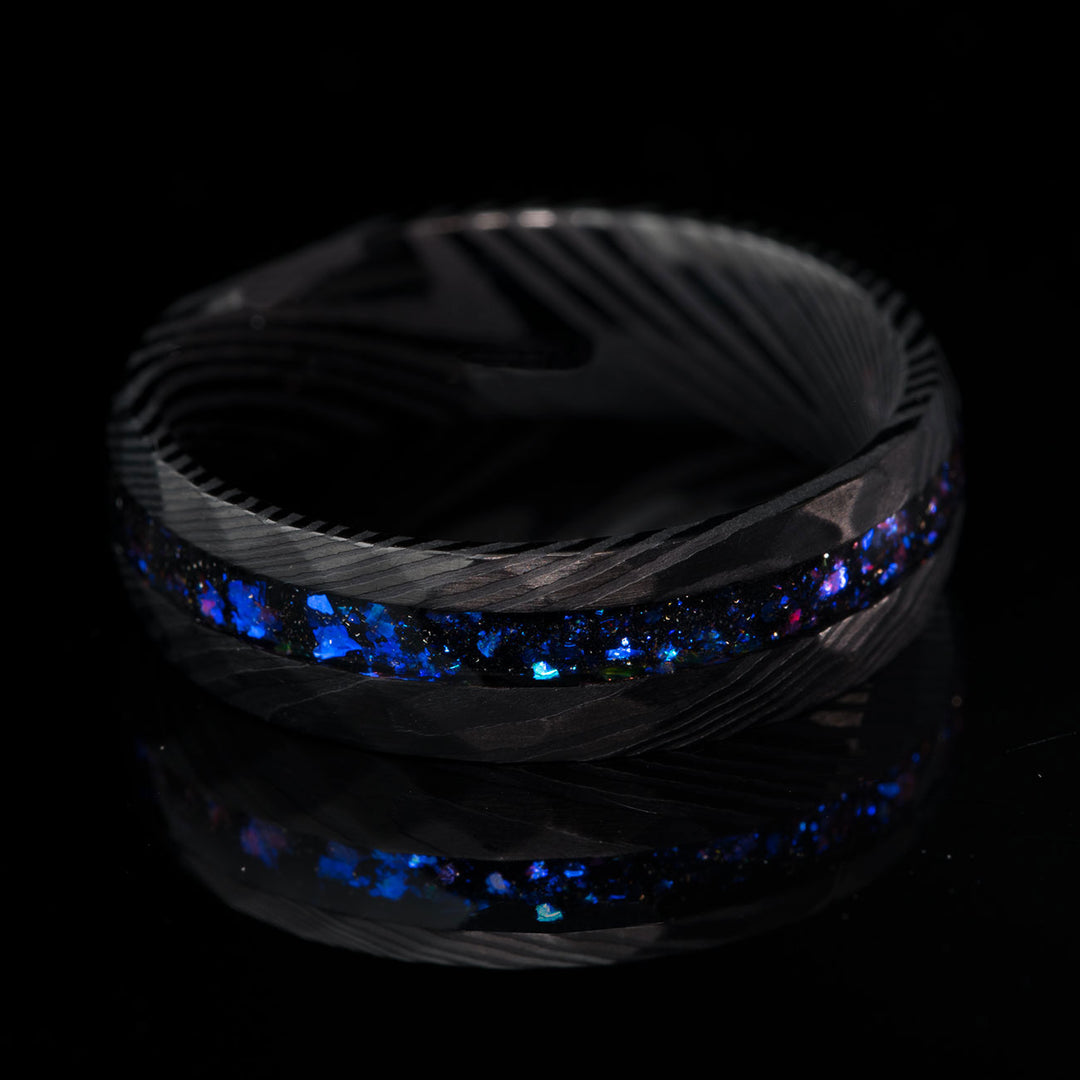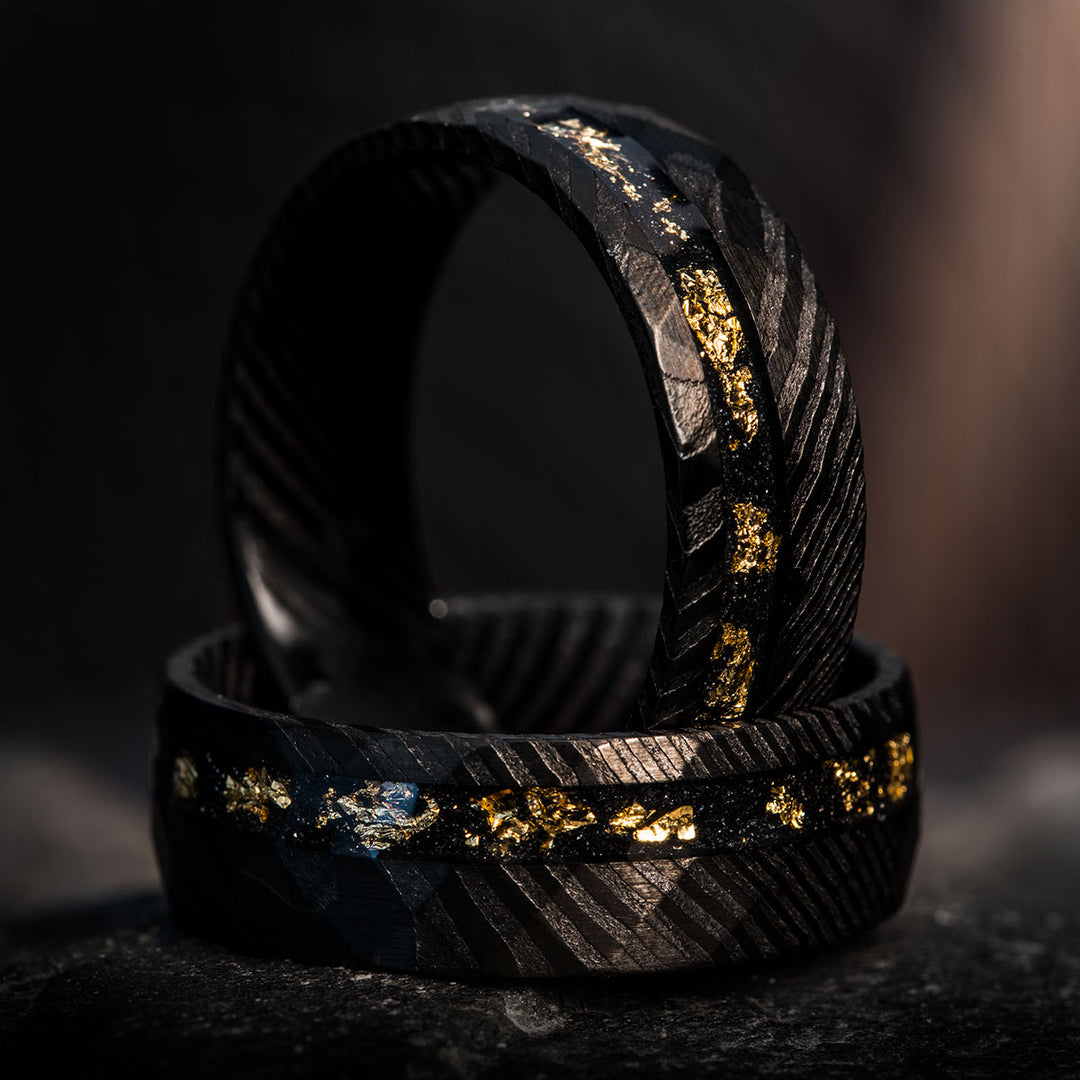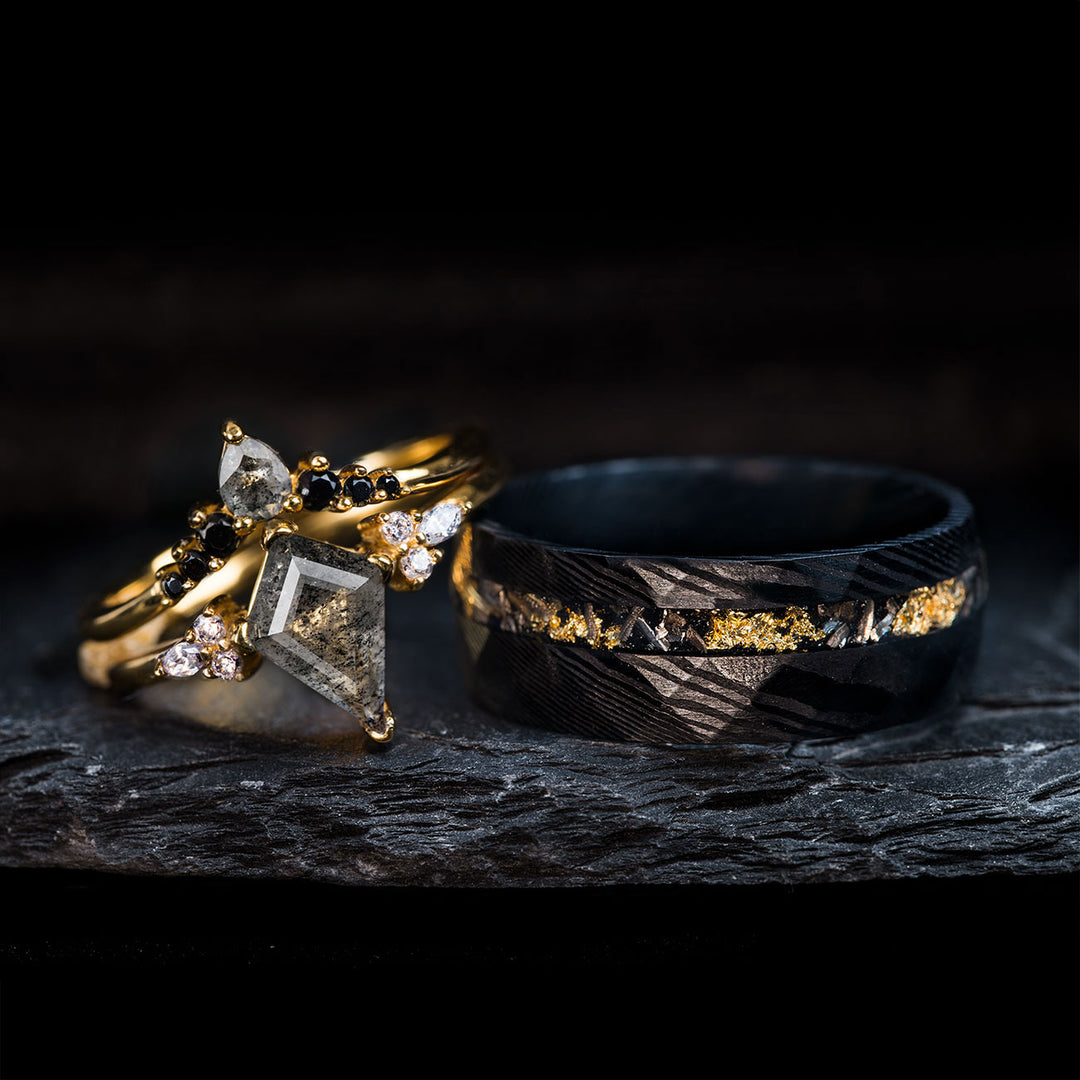


Many couples prefer wedding bands with a clean and simple look instead of heavy designs or large stones. Minimalist tungsten rings fit that style well. They are strong, scratch-resistant, and made for daily wear. From matte and brushed finishes to comfort-fit sizing, this content covers the main details buyers should know before choosing a minimalist tungsten wedding band.
What Makes Tungsten Carbide the Ideal Metal for a Modern Wedding Band
Tungsten carbide’s physical properties make it highly durable compared with gold, silver, and titanium for everyday wear. Three factors drive that advantage: hardness, weight, and skin safety.
Hardness and Scratch Resistance
Tungsten carbide ranks 9 to 9.5 on the Mohs hardness scale, placing it second only to diamond at 10. That hardness means the surface resists scratches from keys, tools, gym equipment, and abrasive surfaces that permanently mark gold (2.5 to 3 Mohs) or silver. Buyers who work with their hands or wear the ring continuously will find that a tungsten carbide band looks the same after five years as it did on the wedding day. The same hardness that prevents scratching also prevents bending or resizing, so accurate sizing before purchase is non-negotiable.
Weight and Comfort for Daily Wear
Tungsten wedding bands weigh often feel two to three times heavier than titanium rings of equivalent size, producing a substantial feel that many wearers associate with quality and permanence. Pure tungsten has a density of 19.3 g/cm³, and even the carbide alloy used in rings retains significant heft. Comfort-fit interiors, which feature a rounded inner edge rather than a flat bore, distribute that weight evenly and reduce pressure on the finger during extended wear. Wider bands in the 6 to 8 mm range remain practical for all-day use when a comfort-fit interior is specified.
Hypoallergenic Properties and Skin Safety
Tungsten carbide rings bonded with a nickel binder are hypoallergenic for the vast majority of wearers. Cobalt-bonded tungsten rings present a different situation: cobalt reacts with skin oils and perspiration, causing localized redness or itching in sensitive individuals. Buyers should confirm the binder material before purchasing, not after. The non-porous surface of tungsten carbide also resists bacterial buildup, making it a practical choice for wearers in medical or food-service environments where hygiene standards are high.
Tungsten carbide’s extreme hardness, substantial weight, and hypoallergenic surface combine to make it well suited for long-term daily wear. These properties set the material foundation that makes simple wedding bands in tungsten outperform softer metals in real-world conditions.
Finish and Style Options That Define Minimalist Tungsten Rings
Minimalist tungsten rings achieve their clean aesthetic through a deliberately limited set of finish treatments and silhouette choices. Each option below produces a distinctly different visual result while maintaining the low-profile design language modern couples prefer.
- Polished finish delivers a mirror-bright surface that reflects light evenly, making it the most formal option and the default choice for traditional ceremony settings.
- Matte tungsten rings feature a flat, non-reflective surface achieved by sandblasting or acid etching, reducing glare and projecting an understated, contemporary look.
- Brushed tungsten wedding bands display fine parallel lines across the surface, created by a unidirectional abrasive pass that adds subtle texture without decorative embellishment.
- Black tungsten wedding bands achieve their color through a physical vapor deposition (PVD) coating or ion plating process, producing a uniform dark tone that resists chipping better than paint finishes.
- Two-tone silhouettes combine a brushed center channel with polished beveled edges, adding visual depth while remaining within minimalist design boundaries.
- Width selection, typically 4 mm, 6 mm, or 8 mm, directly controls the visual weight of the band; 4 mm suits narrow fingers and subtle aesthetics, while 8 mm reads as bold without adding ornamentation.
- Flat-profile and domed-profile shapes offer the two core silhouette choices; flat profiles read as more architectural and modern, while domed profiles reference classic court-style bands.
Seven finish and silhouette variables give buyers precise control over how a minimalist tungsten ring reads on the hand, from barely-there 4 mm matte bands to commanding 8 mm black tungsten wedding bands. Selecting finish before shopping narrows choices efficiently and prevents decision fatigue.

How Minimalist Tungsten Rings Compare to Other Simple Wedding Band Materials
Choosing a wedding band material requires comparing performance across multiple practical dimensions. The table below maps tungsten carbide against gold, titanium, and platinum across the six criteria most relevant to buyers of simple wedding bands.
| Criterion | Tungsten Carbide | Gold (14k) | Titanium | Platinum |
|---|---|---|---|---|
| Scratch Resistance | Excellent: 9 to 9.5 Mohs | Poor: 2.5 to 3 Mohs | Good: 6 Mohs | Moderate: 4 to 4.5 Mohs |
| Weight / Feel | Heavy and substantial | Medium, varies by karat | Very lightweight | Heavy and dense |
| Resizability | Not resizable; must exchange | Fully resizable | Limited resizability | Fully resizable |
| Hypoallergenic Rating | High (nickel-binder grade) | Low (nickel alloys common) | Very high | Very high |
| Surface Finish Durability | Permanent on base metal | Fades and scratches over time | Good but can dull | Develops patina over years |
| Relative Cost | Low to moderate | Moderate to high | Low to moderate | High |
Tungsten carbide leads on scratch resistance and cost-to-durability ratio but trails all other materials on resizability, a structural limitation buyers must accept before purchase. For couples prioritizing a lifelong low-maintenance band over future sizing flexibility, modern tungsten rings offer the strongest overall value profile.
How to Choose the Right Minimalist Men’s Wedding Ring for Long-Term Wear
Selecting a minimalist men’s wedding ring involves more than visual preference; five sequential decisions determine whether the ring performs well over decades. Following this order prevents the most common sizing and compatibility mistakes buyers encounter.
- Measure finger size at the end of the day: Finger circumference increases by up to half a size between morning and evening due to fluid retention and temperature, so measuring late in the day captures the maximum comfortable fit.
- Add 0.5 size for bands 8 mm or wider: Wider bands exert more lateral pressure across the knuckle, so sizing up by half a size ensures the band slides on and off without force.
- Choose binder material before finish: Confirm that the tungsten carbide ring uses a nickel binder rather than a cobalt binder to significantly reduce the risk of skin-oil reactions, then proceed to selecting polish, matte, or brushed finish.
- Select profile based on hand anatomy: Flat-profile bands visually lengthen shorter fingers; domed or comfort-fit profiles reduce friction on wider fingers and suit buyers who keep the ring on continuously.
- Verify the exchange policy before purchase: Because tungsten carbide rings cannot be resized, a documented ring-exchange program (typically 30 to 60 days) protects against sizing errors; confirm this policy is in writing before committing to any vendor.
The five-step sequence moves from measurement to material to geometry to policy, ensuring each decision informs the next rather than creating contradictions.

Choose a Minimalist Tungsten Wedding Band That Lasts
Minimalist tungsten rings stay popular for a simple reason: they look clean, resist scratches, and hold up well over time. Matte, brushed, black finishes, and so on give buyers different style options without making the band feel flashy. Take time to measure your finger carefully and check the seller’s exchange policy to avoid sizing problems later.
Frequently Asked Questions
Q1. Can Minimalist Tungsten Rings Be Resized After Purchase?
No. Tungsten carbide’s extreme hardness makes resizing mechanically impossible without destroying the band entirely. Buyers must measure finger size accurately before ordering and confirm that the seller provides a documented ring-exchange program, typically valid for 30 to 60 days, to cover any sizing errors that emerge after delivery.
Q2. How Durable Are Black Tungsten Wedding Bands Over Time?
Black tungsten wedding bands coated via PVD resist chipping and peeling better than painted or plated alternatives, but the coating can gradually wear through at high-contact points, particularly the underside of the band, after years of continuous daily use. The base tungsten metal underneath remains fully scratch-resistant regardless of coating condition.
Q3. What Is the Difference Between Matte and Brushed Tungsten Rings?
Matte tungsten rings have a uniformly flat, non-directional surface with no light reflection, produced by sandblasting or acid treatment. Brushed tungsten wedding bands display fine parallel lines running in one direction, created by a unidirectional abrasive stroke, giving the surface subtle texture and a slight sheen under directional light.
Q4. Why Do Some Tungsten Rings Cause Skin Irritation?
Skin irritation from tungsten rings typically stems from cobalt binder used during manufacturing, not from the tungsten carbide itself. Cobalt reacts with skin oils and perspiration, producing localized redness or itching. Choosing rings bonded with a nickel binder eliminates this reaction for the vast majority of wearers.
Q5. How Long Do Tungsten Carbide Wedding Bands Typically Last?
Tungsten carbide bands last indefinitely under normal wear conditions because the base metal does not scratch, corrode, or tarnish. Polished and brushed finishes on the base metal are permanent. PVD-coated black finishes may show visible wear at contact points after five to ten years of continuous daily use.