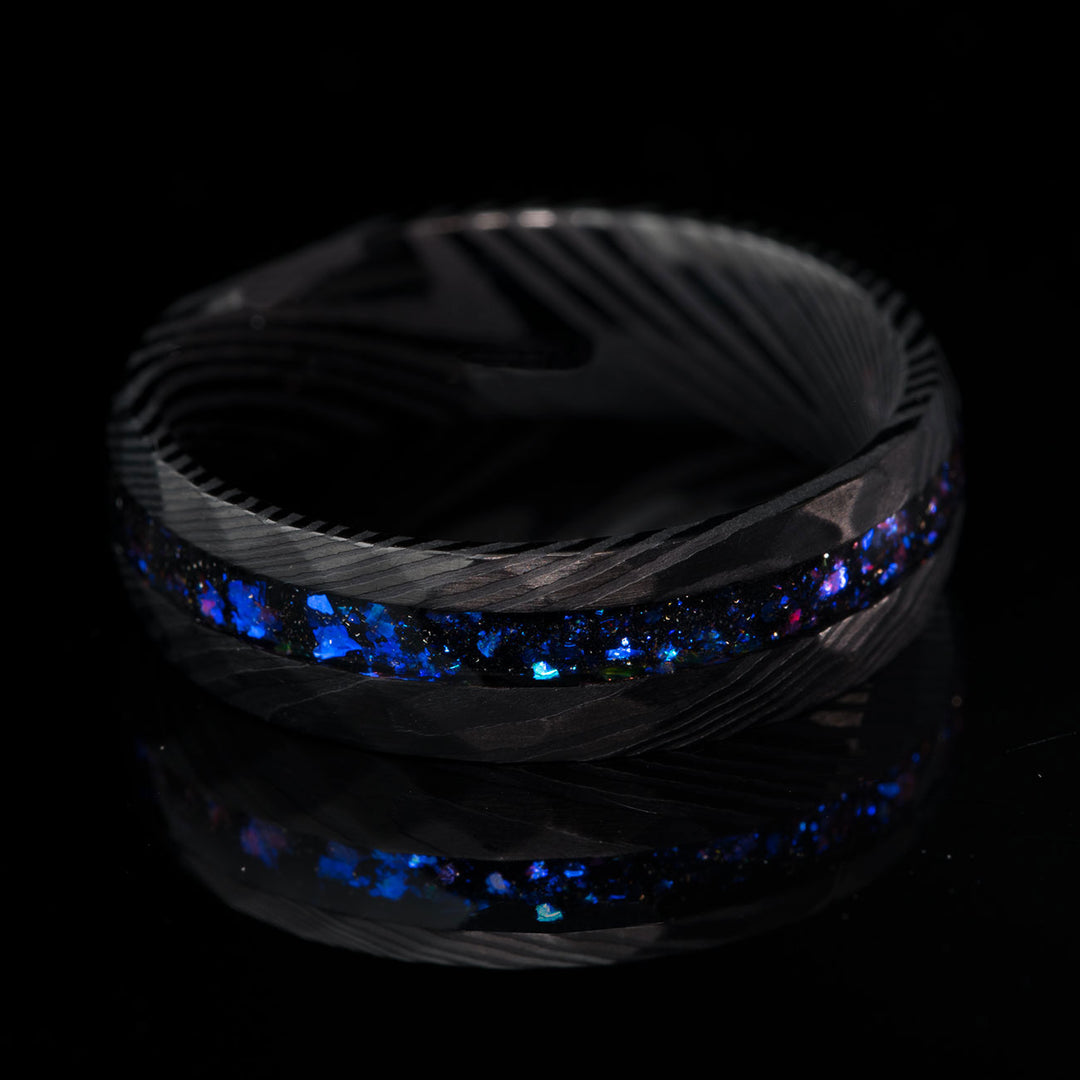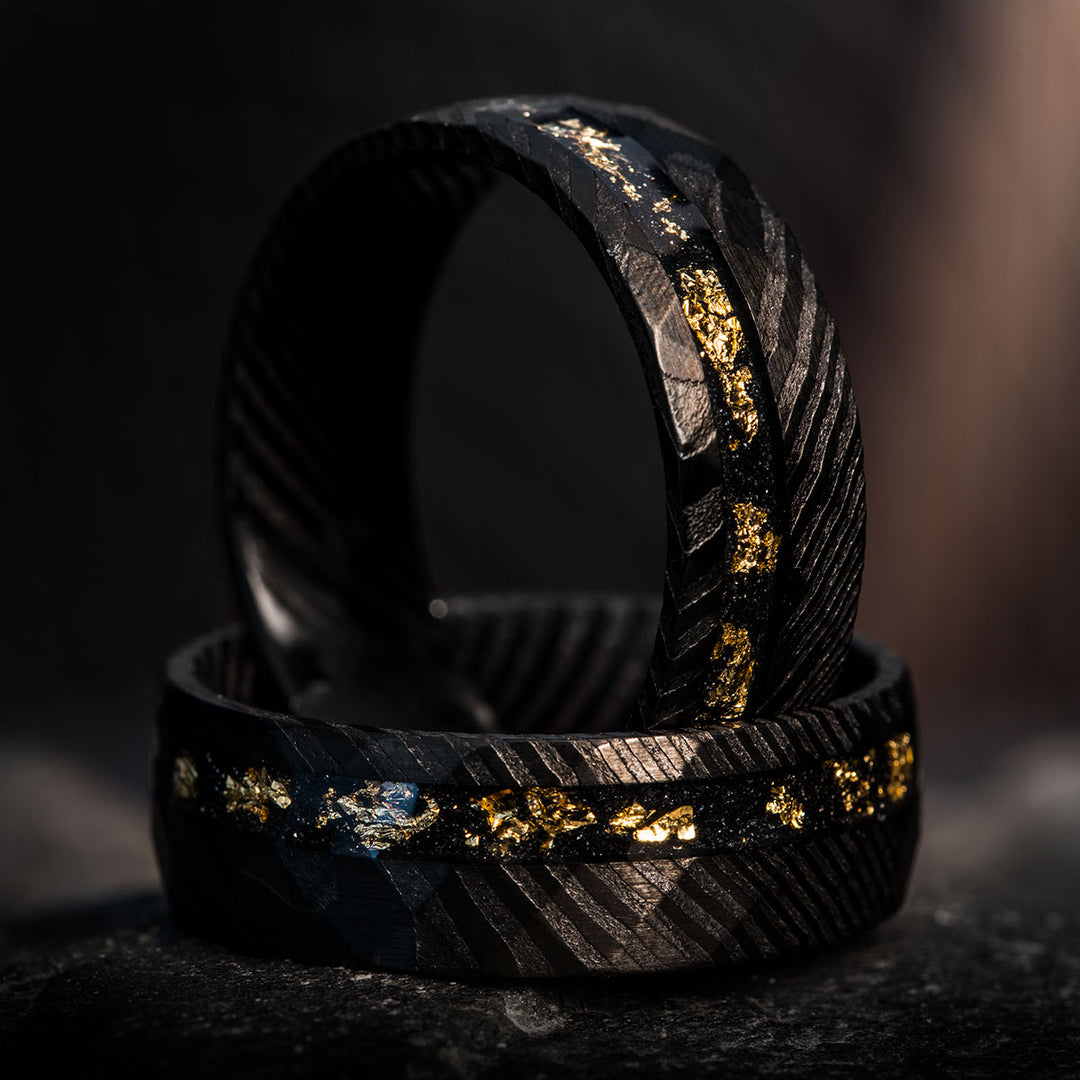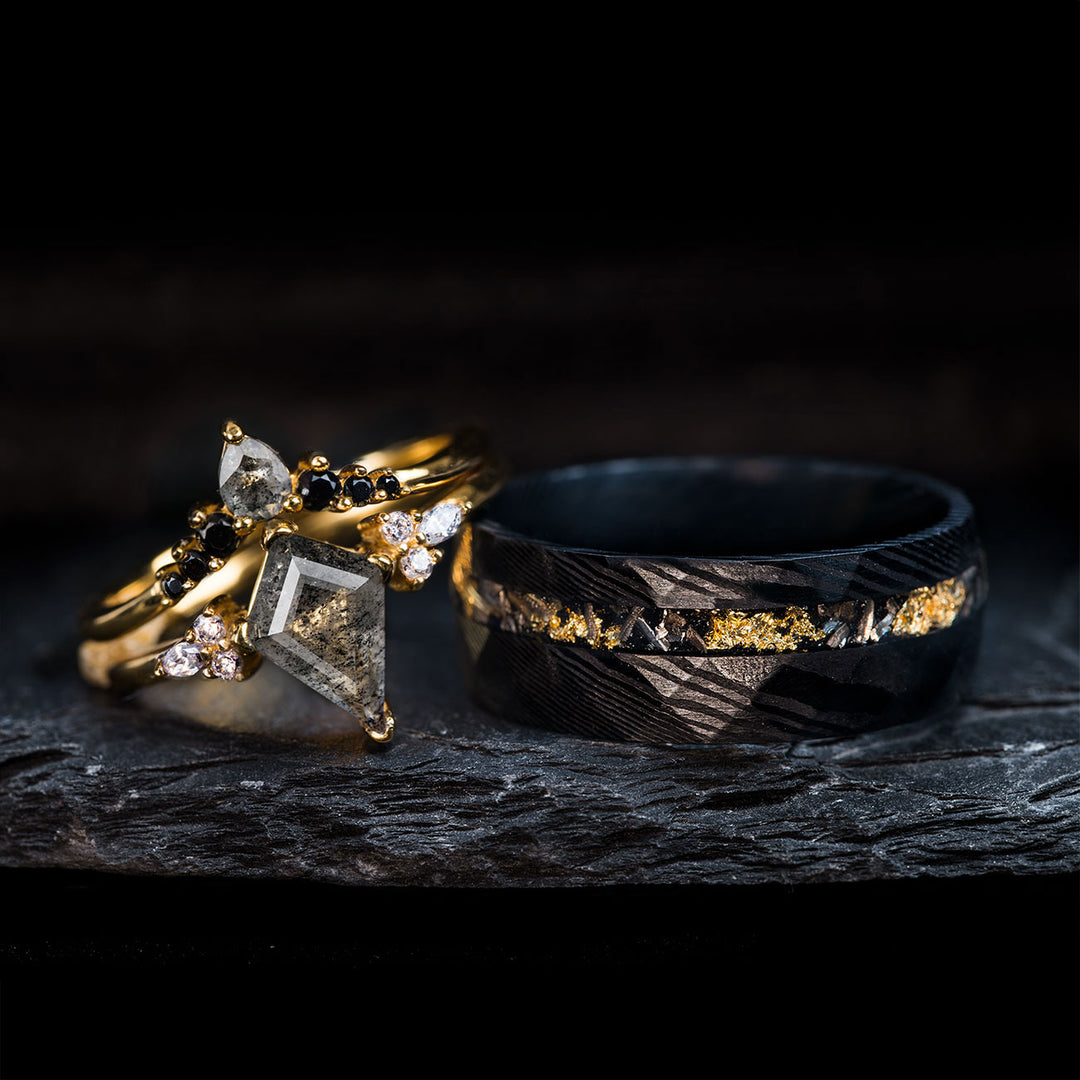


Tungsten rings have become a popular choice for wedding bands and everyday wear because they look sleek and last incredibly long. While gold and silver show scratches quickly, tungsten rings keep their shine for years with almost no maintenance. Here's how these durable rings are made and what makes them so tough.
What Makes Tungsten Rings Different From Other Metals
"Tungsten rings" aren't actually made from pure tungsten metal. These rings are made from tungsten carbide—a mix of tungsten and carbon atoms joined together with binder metals like cobalt or nickel. Because it's too hard to shape and polish, pure tungsten can't be used as jewelry.
Tungsten carbide gives you the right combination of hardness, workability, and good looks. Binder metals keep the carbide pieces close to each other, making a strong structure that lasts. This mix gives tungsten carbide rings their famous durability while still allowing them to be manufactured with the right equipment and techniques.

Step-by-Step: How Tungsten Rings Are Made
The way you make a tungsten carbide ring is very different from the way you make other kinds of traditional jewelry. Manufacturers use powder metallurgy to turn raw materials into finished rings because tungsten carbide can't be melted and cast as gold or silver can. This process has several precise steps.
Powder Mixing and Raw Material Preparation
The process starts with carefully measured tungsten powder, carbon, and binder metal powders mixed in exact proportions. This initial mixing stage sets the final properties of the ring—too much or too little of any component changes the hardness, color, and durability. Powder metallurgy is required because tungsten carbide's extremely high melting point makes traditional casting methods impossible.
Pressing the Ring Blank
After mixing, manufacturers place the powder into a ring-shaped mold and compress it under intense pressure. This compression creates a "green body"—a ring-shaped blank that holds its form but stays porous and fairly fragile. The pressing stage needs precision equipment that applies uniform pressure so the ring has consistent density all the way through.
Sintering for Permanent Bonding
The pressed blank goes into a high-temperature furnace in a controlled, oxygen-free atmosphere. During sintering, temperatures reach levels just below tungsten's melting point, which makes the binder metal liquefy and bond the carbide particles into a dense, solid mass. This transformation creates the extreme hardness that makes tungsten carbide rings so resistant to damage, though the material also turns somewhat brittle, more like ceramic than soft metal.
Precision Machining and Shaping
Sintered tungsten carbide is incredibly hard, so shaping it requires diamond-tipped tools or similarly hard equipment. Manufacturers cut the ring to its final size, shape the inner bore for comfort, refine the edges, and carve any design details like bevels or grooves for inlays. This machining stage needs skill and specialized equipment because standard metalworking tools can't even scratch the surface.
Polishing and Surface Finishing
Multiple polishing stages follow machining, moving from coarse grinding to ultra-fine polishing using diamond abrasives. This process creates the mirror-like finish that tungsten carbide rings are known for. Some manufacturers apply additional surface treatments, like PVD coatings, titanium-nitride layers, or other finishes, to add color variations or boost scratch resistance even more.
Quality Control and Final Details
Before completion, manufacturers add any inlays such as wood, carbon fiber, or contrasting metals into pre-cut grooves. Engraving happens at this stage, too. Final inspection checks the polish quality, sizing accuracy, and structural soundness. Each ring gets examined carefully to meet quality standards before packaging and shipping.
The whole process of making tungsten carbide rings, from the raw powder to the finished product, usually takes a few days. This is far longer than the usual jewelry casting process, but it's needed to get the best qualities from the material.

Why Tungsten Carbide Rings Offer Unmatched Durability
The science behind tungsten carbide shows why these rings outlast traditional jewelry metals by a huge margin. Several material properties work together to create a ring that looks new year after year.
Extreme Hardness and Scratch Resistance
Tungsten carbide measures approximately 8.5 to 9 on the Mohs hardness scale, just below diamond at 10. This extreme hardness means that everyday objects, including keys, tools, furniture, or even sand, can't scratch the surface. Gold rings sit at 2.5 to 3 on the Mohs scale, and titanium at roughly 6, so they show visible wear quickly. Tungsten carbide keeps its appearance under normal conditions.
Heavier Weight and Solid Feel
The high density of tungsten carbide gives rings a noticeably heavier, more solid feel compared to other metals. Many wearers like this weight because it signals quality and durability. The density also helps the material resist deformation and wear.
No Tarnish or Corrosion
Unlike silver that oxidizes, or gold alloys that can discolor, tungsten carbide doesn't react with air, water, or most chemicals you encounter daily. The ring won't tarnish, corrode, or change appearance from environmental exposure, which makes it great for people who work with their hands or in wet conditions.
Shine That Lasts
The polished finish on tungsten carbide rings keeps its luster for decades without re-polishing. Traditional precious metals develop tiny scratches that dull the surface over time and need professional buffing to restore shine. Tungsten carbide's hardness stops this gradual wear.
Trade-Offs to Consider
The same hardness that prevents scratches also makes tungsten carbide more brittle than softer metals. A sharp, heavy impact—like dropping the ring onto concrete—can cause cracking or shattering rather than denting. Understanding these key differences is crucial, and you can explore a detailed breakdown of the pros and cons of tungsten bands.
Also, tungsten carbide rings cannot be resized. If your finger size changes, you'll need a replacement ring.
Who Benefits Most from Choosing Tungsten Rings
Tungsten carbide rings work better for certain lifestyles and preferences than others. Here's who gets the most value from these durable rings.
People with Physically Demanding Jobs
Mechanics, construction workers, and electricians like these rings because they can handle rough treatment that would damage softer metals. The ring won't get scratched, so it will still look professional after years of hard work.
Active Lifestyle Enthusiasts
People who enjoy sports, weightlifting, or outdoor activities appreciate that their ring won't show damage from equipment or environmental exposure. The ring maintains its appearance through intense physical activity.
Low-Maintenance Preference
Those who dislike jewelry maintenance find tungsten carbide appealing because it needs virtually no upkeep beyond occasional cleaning with soap and water. No polishing appointments or special care required.
Pro Tip:
- Since tungsten rings cannot be resized, measure your finger at different times of day and in various temperatures—finger size fluctuates slightly. Many jewelers offer sizing kits or guarantees to help you get the right fit from the start.
- Avoid wearing the ring during activities involving heavy impacts or crushing hazards. The brittleness can lead to fractures under extreme force, so take it off for high-risk tasks.
Choose Tungsten Carbide Rings for Lasting Durability
Tungsten carbide rings are much more durable than gold, silver, or titanium. They resist scratches, stay shiny, and survive daily wear over time. Because it is made with powder metallurgy and is very hard, the ring will look brand new for decades with almost no upkeep. Keep in mind that these rings can't be resized and might break if they get heavy hits. All in all, tungsten carbide rings are great if you want a beautiful ring that doesn't need much care.

FAQs
Q1: What's the actual difference between tungsten rings and tungsten carbide rings?
When talking about jewelry, these terms generally mean the same thing. Manufacturers market rings as "tungsten" for simplicity, but they're made from tungsten carbide—the composite of tungsten and carbon with a binder metal. Because pure tungsten isn't hard enough or workable enough for practical jewelry, there aren't many real pure-tungsten rings on the market.
Q2: Why can't I resize a tungsten carbide ring like gold or silver?
Resizing requires the metal to bend, stretch, or compress, which depends on malleability. Because tungsten carbide is so hard, it can't be shaped in any way. Trying to do so would cause it to crack or break instead of deform. The same property that keeps scratches away also stops growing, so getting the right size the first time is still important for long-term wearability.
Q3: What if I drop my tungsten carbide ring? Will it break?
It won't hurt the ring if you drop it on soft surfaces like carpet or wood. But when the ring hits something very hard, like concrete, tile, or stone, especially if it hits at an angle or on an edge, there is a chance of damage. Most people who wear them never break them during regular use, but it is possible if enough force is applied in weak spots.
Q4: How do I keep my tungsten ring clean and in good shape?
Cleaning with warm water and light dish soap helps get rid of dirt and oil buildup. Dry and buff the area with a soft cloth. If your ring has inlays, don't use an ultrasonic cleaner on it because the movements could loosen the glue. The ring doesn't need to be polished or treated; just keep it clean and don't hit it directly on anything hard.