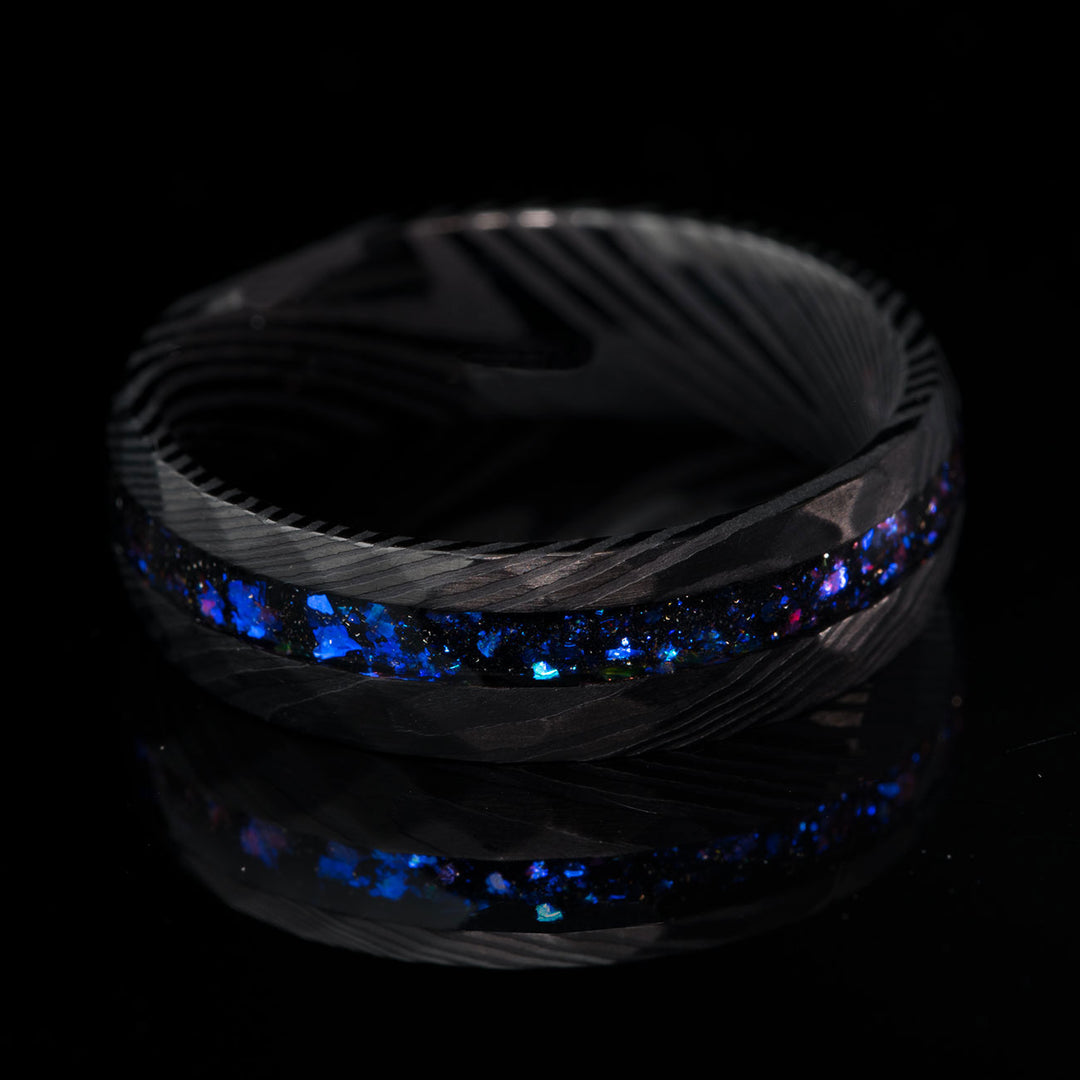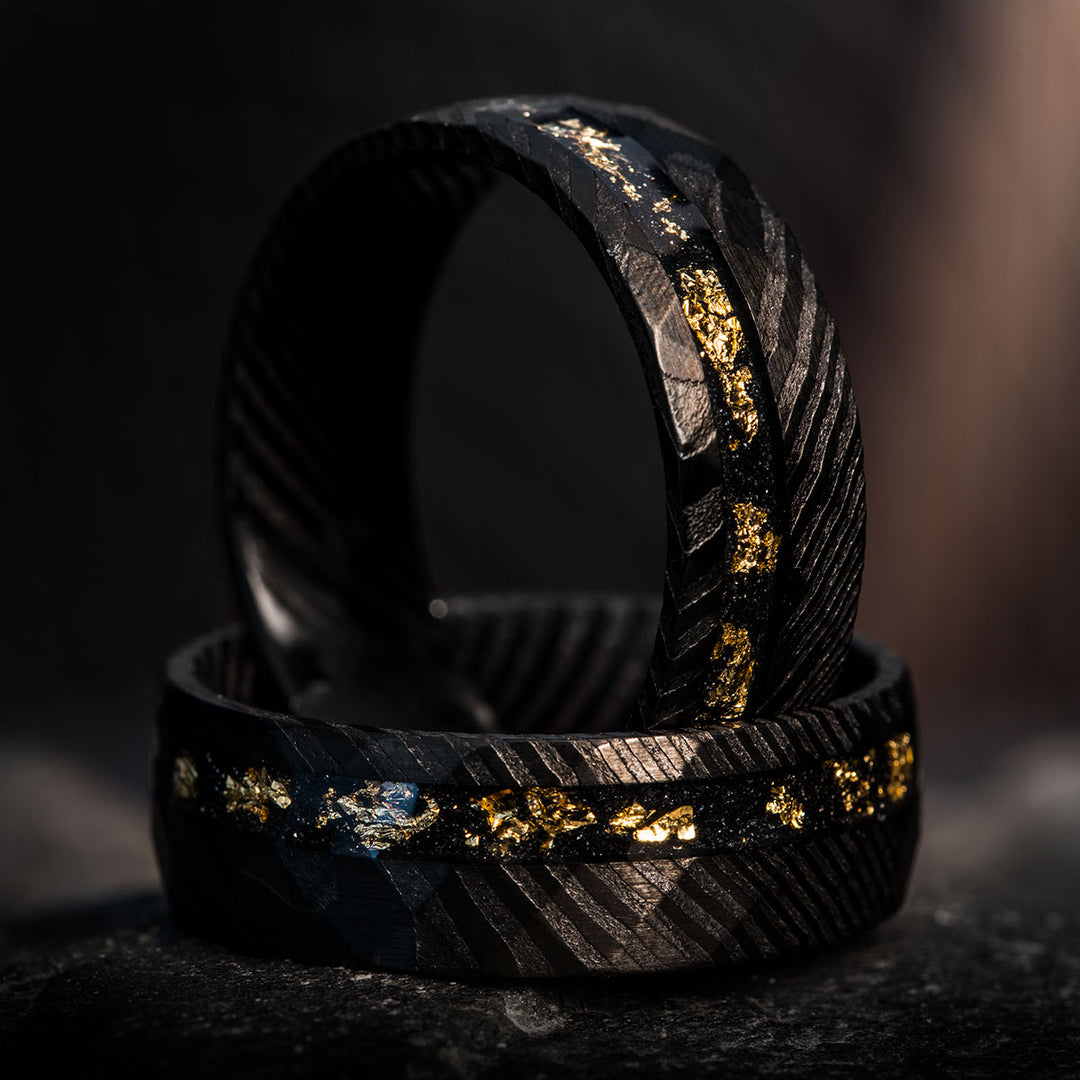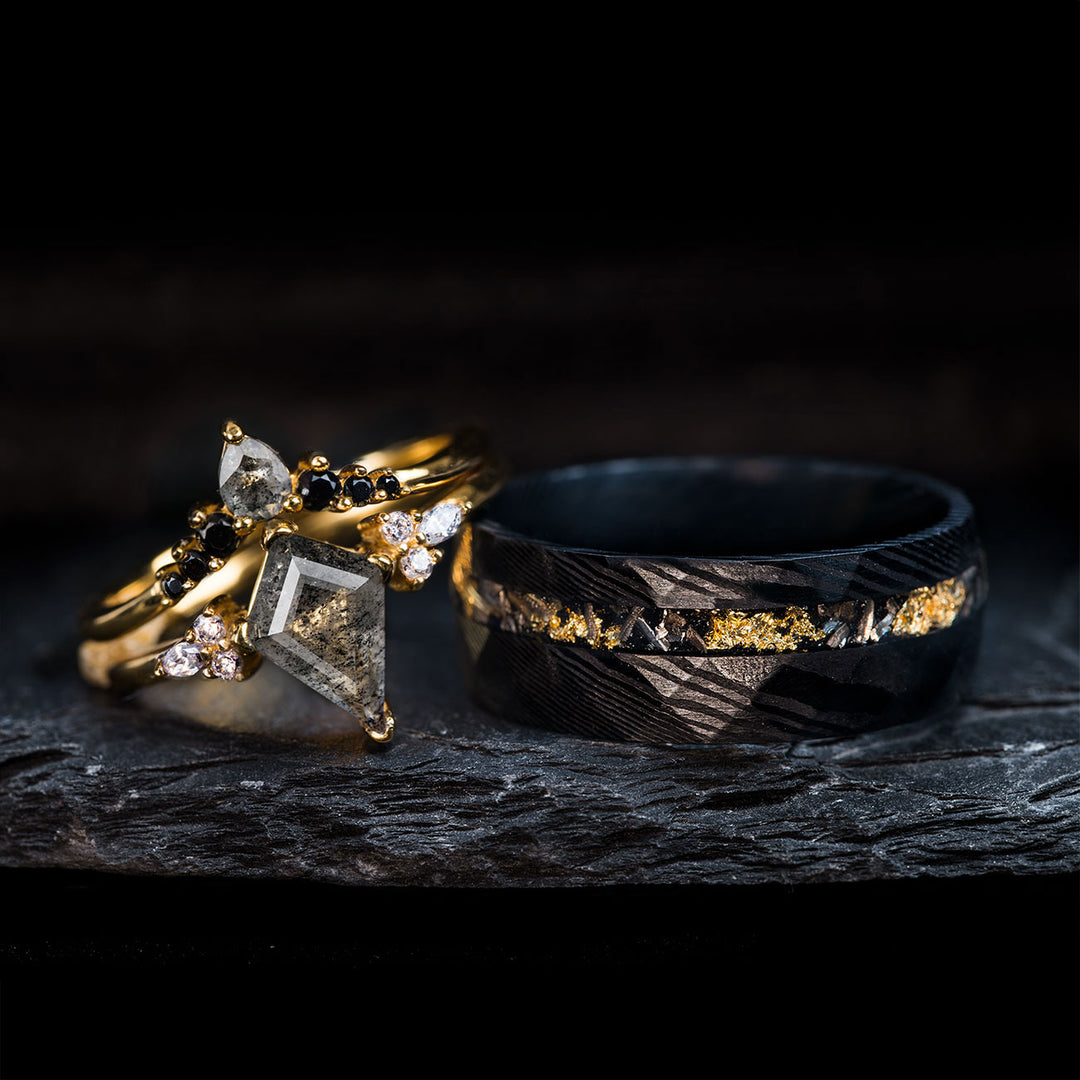


Tungsten rings cannot be resized due to the hardness of tungsten carbide (9–9.5 Mohs). That makes width a key decision before buying. It affects both appearance and daily comfort. Hand size, finger shape, lifestyle, and comfort fit design all influence what works best, along with choosing between widths from 4mm to 12mm.
How Hand Proportion Determines the Right Tungsten Ring Width
Hand proportion, specifically finger length, knuckle diameter, and overall hand size, is the most reliable starting point for selecting the correct tungsten ring width. Each physical measurement maps to a recommended width range, and ignoring any one of them produces a ring that either looks wrong or wears poorly.
Finger Length and the Visual Balance Rule
Finger length governs how wide a band the eye can accept before proportion breaks down.
- Fingers shorter than 70mm, which corresponds roughly to a US ring size 9 and below, are visually overwhelmed by widths above 8mm; a 4mm-6mm band keeps the proportions balanced and avoids the “swallowed” effect.
- Fingers measuring 70mm-80mm carry a 6mm-8mm band cleanly, with neither width looking out of place.
- Fingers above 80mm support 8mm-12mm without appearing disproportionate. The reason is that a wide band visually compresses the perceived length of the finger it encircles, so a short finger paired with a wide band reads as shorter still.
Knuckle Width and the Comfort Threshold
Knuckle size mainly determines how easily a ring passes over the finger’s widest point, not simply whether it will “get stuck.” Larger knuckles (around 22mm and above) often pair well with 8mm–10mm widths because the pressure is spread across a wider surface, which can feel more balanced during wear, making the transition over the knuckle smoother and more stable once worn. Narrow bands can concentrate pressure on a small area, which may feel sharper during movement.
For smaller knuckles (under 20mm), wider bands above 8mm can feel tighter during swelling caused by heat, humidity, or activity, since more surface area is in contact with the finger. In these cases, a narrower width often improves daily comfort and ease of removal.

Tungsten Ring Width for Large Hands
Men with US ring sizes 11 and above should treat 8mm as a visual floor, not a ceiling. A 6mm band on a size-13 finger reads as an accent ring rather than a wedding band, creating an unintentional mismatch between the ring’s weight and the hand’s scale. The 2026 consensus among jewelers is that size-11-and-above hands benefit most from 8mm-10mm widths for everyday wear, while 12mm delivers a bold, intentional statement without crossing into novelty territory on hands large enough to carry it.
Matching width to hand proportion prevents both the “swallowed” look of an undersized band and the “choking” discomfort of an oversized one.
Lifestyle and Occupation Factors That Affect Width Choice
Daily wear context, not aesthetics alone, determines whether a chosen width remains comfortable across years of use. The following criteria identify when lifestyle should push a width choice narrower or wider than hand proportion alone would suggest.
- Manual labor or frequent glove use demands widths of 6mm or less, because wider bands catch on glove seams and increase rotational stress on the finger during grip-intensive tasks.
- During extended workouts, finger size and circulation can change, which may affect ring fit; a 7mm or 8mm band that fits comfortably at rest can feel tighter during a long lifting session due to heat, swelling, and changes in blood flow.
- Healthcare and food-service workers face hygiene protocols requiring ring removal multiple times daily, making narrower 4mm-6mm widths easier to slide on and off over the knuckle without fumbling.
- Office or desk-based professionals face no ergonomic constraint from their work environment, which frees them to prioritize visual proportion and can support widths up to 10mm without a comfort trade-off.
- Men who type extensively report that widths above 8mm contact the desk surface during keystrokes, producing a consistent low-level tapping sensation that many find distracting across a full workday.
- Outdoor and adventure lifestyles, including hiking, climbing, and water sports, favor 6mm-8mm widths; wider bands trap debris and moisture against the skin in ways that narrower profiles largely avoid.
Lifestyle constraints function as hard filters that can override both proportion logic and personal style preference. If lifestyle limits are mapped, the remaining width range can be narrowed further using the step-by-step sizing process in the next section.
A Step-By-Step Process to Confirm Your Ideal Ring Width
Selecting the right men’s tungsten ring width requires a deliberate sequence of measurements and tests, not a single estimate at a jewelry counter. Complete these steps in order, because each one narrows the viable range before the next decision is made.
- Measure your ring size at the end of the day, when fingers are at their largest due to normal daily swelling, to ensure the ring will pass comfortably over the knuckle at all times of day and in all temperatures.
- Record your knuckle diameter in millimeters using a flexible measuring tape; this measurement sets your absolute upper comfort limit for width, since wider bands amplify resistance at the knuckle during both fitting and removal.
- Identify your lifestyle category from the prior section and write down the maximum width that category permits, creating a hard ceiling before any aesthetic decisions are made.
- Cut paper strips to your three target widths, for example 6mm, 8mm, and 10mm, and wrap each around your ring finger for 60 seconds to simulate the visual coverage and physical presence each width produces on your specific hand.
- Apply the hand-proportion rule: if your finger length measures under 70mm, eliminate any width above 8mm from your shortlist, regardless of personal preference, because the optical compression effect will be visible in every photograph and daily glance.
- From the remaining candidates, select the narrower option if you are deciding between two equally appealing widths, because tungsten’s high density makes every additional millimeter of width more perceptible as physical mass than the same increment in gold or silver.
- Confirm that your chosen width is available in a comfort fit interior profile, which rounds the inner edge of the band to reduce concentrated pressure on the finger base during extended wear, a critical consideration given tungsten’s complete rigidity.
Following this sequence eliminates the two most common sizing errors: choosing width by appearance alone and underestimating the amplifying effect of tungsten’s density on perceived tightness.

Tungsten Ring Width Comparison: 4mm to 12mm at a Glance
This comparison maps each standard tungsten wedding band width against the hand sizes, lifestyles, and aesthetic profiles it best serves, allowing a direct side-by-side evaluation of the width options most widely available in 2026.
| Width | Best Hand/Ring Size Fit | Lifestyle Suitability | Aesthetic Profile |
|---|---|---|---|
| 4mm | Ring sizes US 5-8; slender fingers | Manual labor, healthcare, frequent daily removal | Minimalist accent; modern and understated |
| 6mm | Ring sizes US 7-10; average finger length | Active, gym, outdoor, mixed-use lifestyles | Versatile; reads clearly as a wedding band without visual dominance |
| 7mm | Ring sizes US 8-11; most common male hand | Office work, moderate physical activity | 2026 “Goldilocks” width; balances presence and all-day comfort |
| 8mm | Ring sizes US 9-12; average to large hands | Office, light physical work | Traditional masculine standard; strong visual weight |
| 10mm | Ring sizes US 11-13; large hands | Low-activity or primarily desk-based roles | Bold and statement-driven; dominates the finger profile intentionally |
| 12mm | Ring sizes US 12-14; very large hands only | Formal or ceremonial wear; minimal daily activity | Architectural and maximalist; not suited for sustained daily wear on most hands |
The 7mm and 8mm widths cover the largest share of male hand proportions and lifestyle scenarios, which explains their consistent dominance in any wedding band width guide aimed at everyday wearers. Men outside the average size range should apply the proportion and lifestyle filters from earlier sections before treating any table entry as a direct recommendation.
Set Tungsten Ring Width with Proportion, Lifestyle, and Balance
Finger shape and knuckle size define a safe width range, while daily work and activity set the upper limit. Comfort always improves when lifestyle needs come first. If two widths feel similar, choose the narrower option since tungsten cannot be resized and extra width adds noticeable weight. Use the sizing steps and comparison table together to lock in a width that fits both hand and daily wear.
Frequently Asked Questions
Q1. How Do You Measure Your Finger for the Correct Tungsten Ring Width?
Measure your ring size at the end of the day when finger swelling peaks, then measure knuckle diameter separately in millimeters using a flexible tape. Width selection depends on both numbers: knuckle diameter establishes your comfort ceiling, while ring size maps to the proportion guidelines that determine which widths will look balanced on your hand.
Q2. What Is Comfort Fit and Why Does It Matter for Wider Tungsten Bands?
Comfort fit describes an interior ring profile with rounded, domed edges rather than flat vertical walls. For tungsten bands 8mm and wider, this rounded interior distributes pressure more evenly across the finger base during prolonged wear. Because tungsten is rigid and cannot be adjusted after purchase, comfort fit becomes progressively more critical as width increases.
Q3. Can You Resize a Tungsten Ring If the Width Feels Wrong After Purchase?
No. Tungsten carbide cannot be resized by any standard jeweler method; its hardness of 9 to 9.5 on the Mohs scale makes cutting and reshaping the material impractical with conventional tools. Width is a permanent characteristic of the ring, which is precisely why measuring hand proportion, knuckle diameter, and lifestyle fit before purchase is essential rather than optional.
Q4. Why Does an 8mm Tungsten Band Feel Tighter Than an 8mm Gold Band of the Same Size?
Tungsten carbide is significantly denser than gold, which can make an equal-width band feel heavier on the finger and more noticeable during wear. Greater surface area combined with higher weight amplifies the sensation of tightness, particularly near the knuckle. This density effect explains why many men find that sizing down one width from their gold band preference produces a more comfortable result when switching to tungsten.
Q5. How Long Does It Take to Adjust to Wearing a Wide Tungsten Wedding Band Daily?
Most men adjust to a new ring within two to four weeks of regular daily wear. Adjustment time extends for widths above 8mm and for men with no prior experience wearing rings. Persistent discomfort after six weeks, as distinct from simple awareness of the ring’s presence, signals that the chosen width is likely too large for that hand’s proportions.