

| Feature | 6mm Wedding Band | 8mm Wedding Band |
| Best For | Slender fingers, smaller hands, active lifestyles | Larger hands, longer fingers, statement style |
| Visual Impact | Subtle, classic, understated | Bold, substantial, eye-catching |
| Comfort | Light, barely noticeable after adjustment | Heavier, more noticeable, longer adjustment |
| Daily Wear | Ideal for manual work, typing, and sports | Better for office work, less hand activity |
| Design Options | Limited space for details | More room for engravings, inlays, textures |
| Fit Considerations | Standard sizing usually works | May need to size up ½ to 1 full size |
| Style | Minimalist, timeless, versatile | Statement-making, confident, modern |
| Proportions | Can look thin on large hands | Can overwhelm small hands |
| Price | Less material = lower cost | More material = higher cost |
| Metal Weight Feel | Lighter in titanium/tungsten | Heavier, especially in platinum/gold |
Choosing a wedding band involves more than picking a metal or design; width also affects how your ring looks and feels on your finger. Most men's wedding bands come in two common sizes: 6 mm and 8 mm. Knowing the difference helps you find a band that suits your hand size, works with your daily routine, and stays comfortable for years.

What Ring Width Is and Why It Matters for Your Wedding Band
Ring width refers to the measurement from the top edge to the bottom edge of your band as it sits on your finger. You can think of it as how much vertical space the ring takes up. This measurement might seem like a small detail, but it changes how your ring looks and feels.
- Ring width affects the look of your hand: The width changes how the ring looks compared to your hand and finger size. A band that's too narrow can disappear on larger hands. A band that's too wide might overwhelm a slender finger.
- Ring width changes comfort and fit: Wider bands cover more finger surface, which creates a snugger feel. They also take longer to get used to wearing. Many men don't expect this difference until they try both widths.
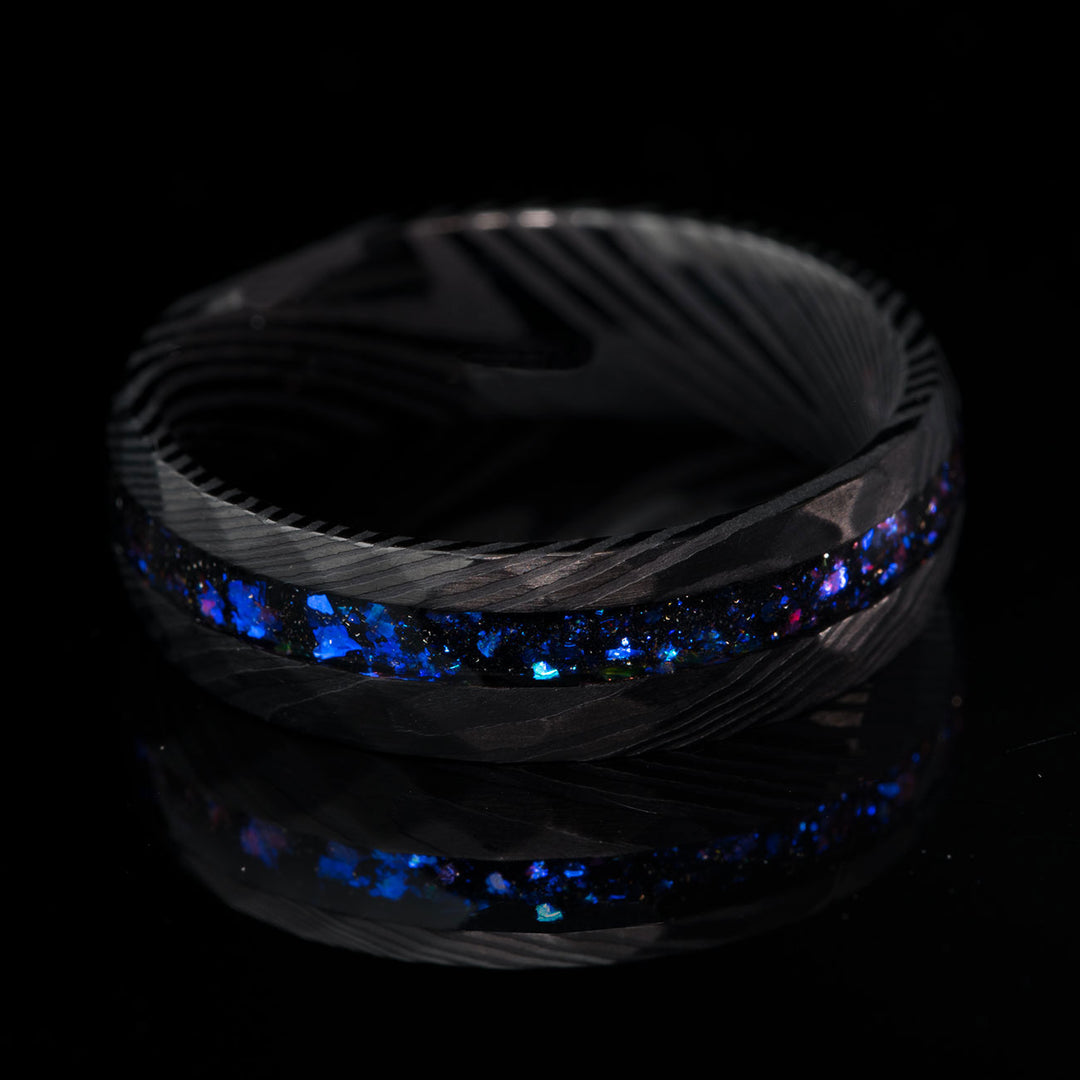
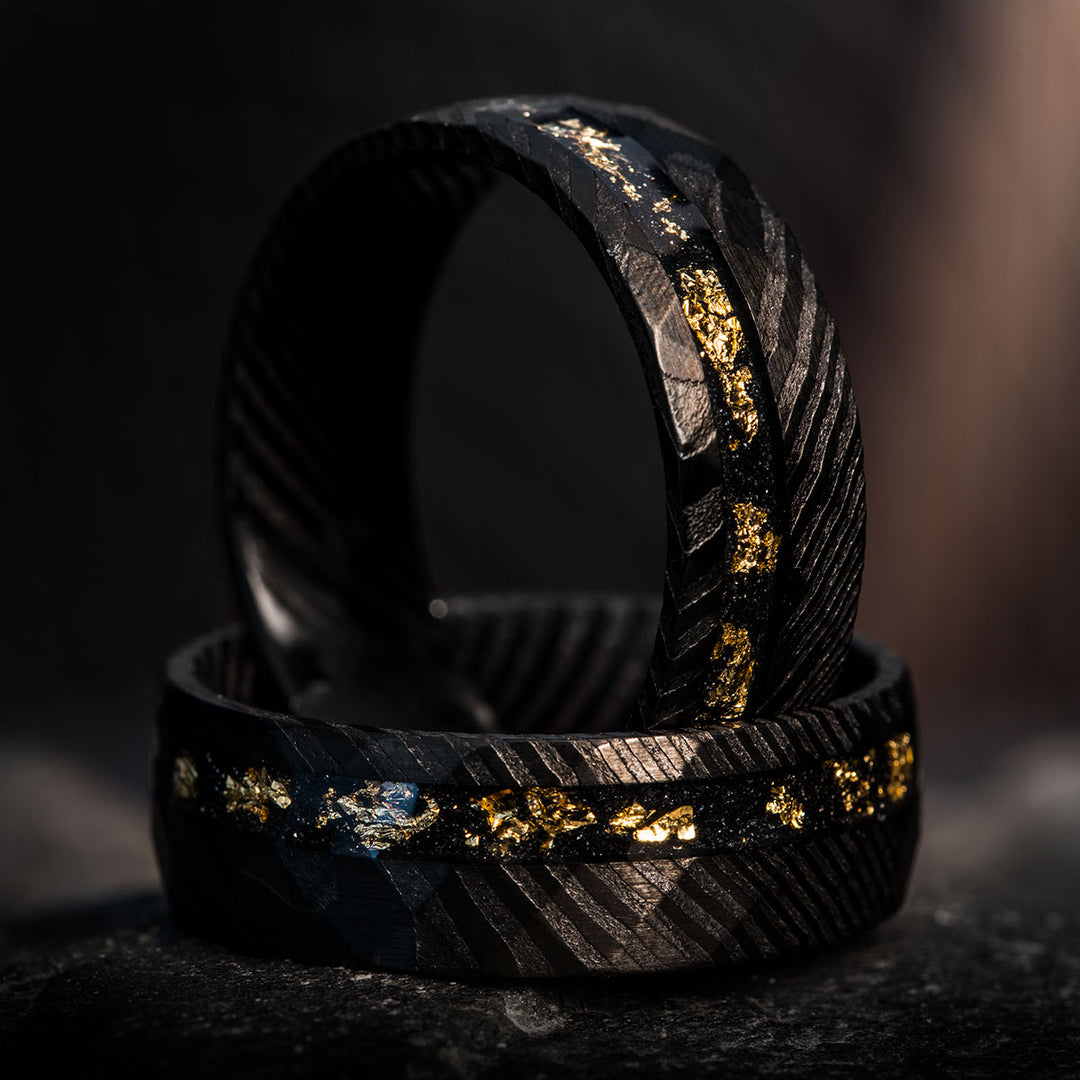
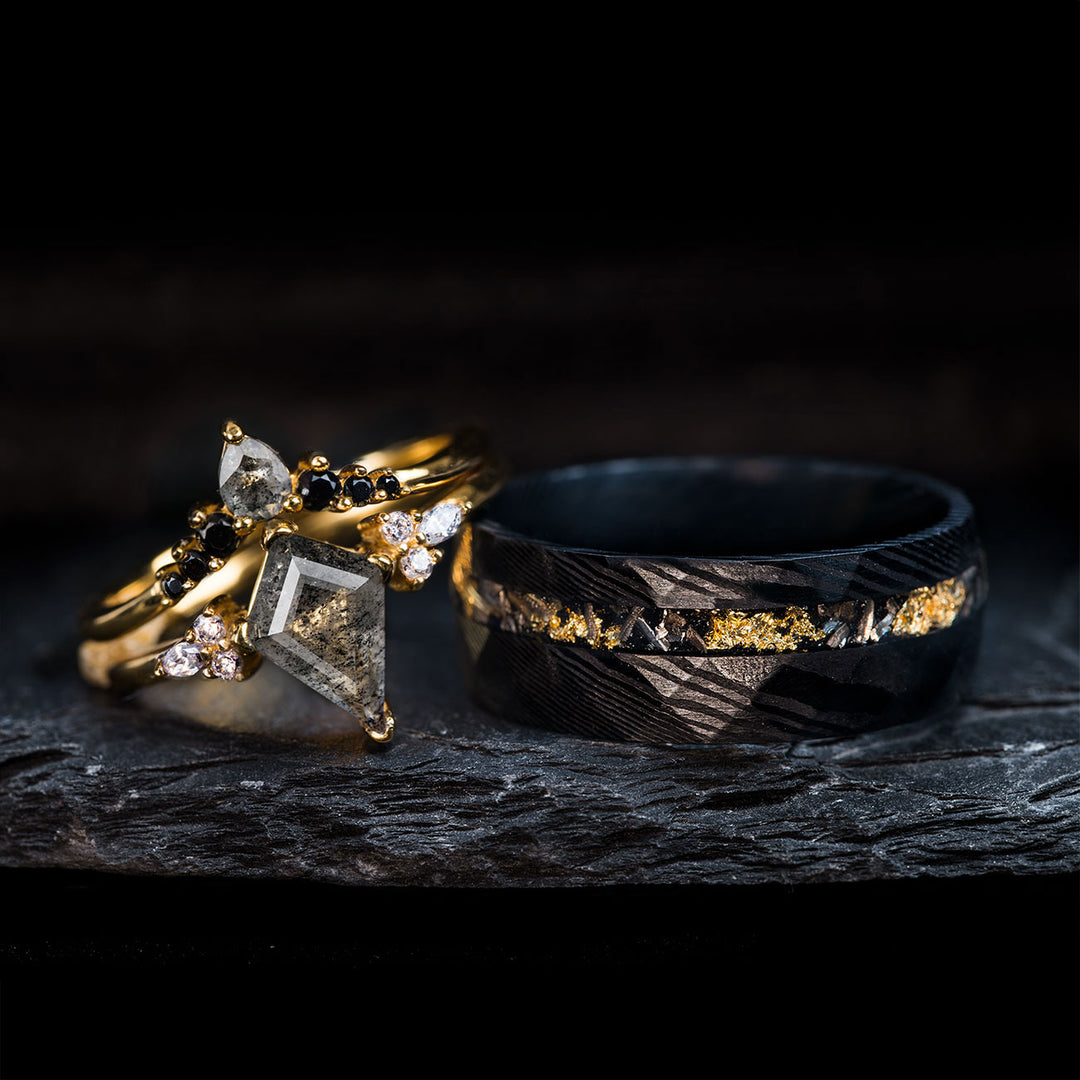
- Width impacts design and style choices: A wider surface gives jewelers more room to work with. They can add textures, inlays like Damascus steel wedding band patterns, or detailed engravings. Narrow bands limit these options.
- Ring width should feel natural with your daily routine: Your daily routine matters too. Someone who works with their hands might prefer a different width than someone who types at a desk all day.
Your ideal wedding ring width depends on your hand size, personal taste, and how you use your hands each day. All these factors work together to point you toward the right choice.
Why 6 mm Wedding Bands Work for Most Men
A 6mm wedding band hits a comfortable middle ground for men's wedding bands. This width feels substantial on your finger but doesn't make a bold statement. It offers enough presence to look complete and intentional.
Benefits of a 6 mm Wedding Band
- Balanced Look for Most Hand Sizes. The 6mm wedding ring creates a classic appearance that fits most men's hands well. It looks finished and purposeful without grabbing too much attention.
- Comfortable for All-Day Wear. This width typically feels light on your finger. Many men say they forget they're wearing it after a few weeks. That makes the 6mm wedding band a solid choice for active lifestyles, manual labor, or anyone who uses their hands all day.
- Good Proportion for Smaller Fingers. Men with slender fingers find this width maintains good balance. The ring looks natural rather than overpowering the finger.
- Simple, Elegant, and Everlasting. The modest style also suits minimalists or anyone who wants a timeless look that stays current for decades.
Drawbacks of a 6 mm Wedding Band
- Limited Design Space. The narrower surface of a 6mm wedding ring leaves less room for elaborate designs. Intricate inlays or detailed engravings become difficult or impossible at this width.
- May Look Too Thin on Larger Hands. Men with broader hands or thicker fingers might find this width looks too subtle. On larger hands, it can appear almost delicate. If you want a ring that makes a clear visual impact, 6 mm might feel too understated.
Still, simplicity has value. Many men like the versatility this width gives them. A 6 mm band fits any social or work setting without drawing unwanted attention.

How 8 mm Wedding Bands Make a Bold Statement
An 8mm wedding band creates a stronger visual impact on your hand. This width appeals to men who want their ring to have a clear presence and noticeable weight.
Pros of 8 mm Wedding Bands
- Substantial, Eye-Catching Look. The 8mm wedding ring creates a confident appearance that people notice. This width works especially well for men with larger hands or longer fingers. It provides the visual balance that narrower bands can't match.
- More Room for Design Details. The extra surface area opens up creative options. You can add multiple materials (like alternating metals), textured patterns, gemstone inlays, or detailed engravings that would look cramped on narrower bands.
- Feels Significant on Your Hand. Many men like the physical weight and presence of an 8mm wedding band. The ring feels important, matching the commitment it represents. If you want that substantial feel, this width delivers that constant reminder.
Cons of 8 mm Wedding Bands
- Can Feel Bulky at First. The larger size can feel heavy, especially for first-time ring wearers or anyone not used to jewelry. Getting comfortable takes longer, and you'll notice the ring more during everyday tasks.
- May Overwhelm Smaller Hands. On smaller or more delicate hands, an 8mm wedding ring can look too large. It might overpower the finger instead of complementing it.
- Fit and Sizing Issues. A wider band covers more finger surface, which makes it feel tighter than a narrower ring at the same size. You might need to size up by a half or full size, especially if your knuckle is larger than your finger base.
- More Material Usually Means a Higher Price. Keep in mind that more material usually costs more, especially with precious metals. A titanium ring or tungsten ring costs less per gram, making an 8 mm ring more affordable in these metals.
These factors don't make 8 mm the wrong choice. They just need careful thought before you buy.
Key Questions to Ask Before Choosing Your Wedding Band Width
Finding the best men's wedding bands starts with asking yourself the right questions. Your answers will guide you toward the width that fits your needs.
What's Your Finger Size and Hand Shape?
Men with slender fingers or smaller hands usually find 6 mm more balanced. Those with broader hands or thicker fingers often prefer 8 mm. Finger length matters too—longer fingers can carry wider bands more easily than shorter ones.
How Do You Use Your Hands Daily?
Do you work with your hands all day? Manual labor, carpentry, mechanics, frequent typing, or regular sports make a 6 mm band more practical. It interferes less with hand movement. If your hands stay relatively still during the day, the extra bulk of 8 mm causes fewer problems.
What's Your Personal Style?
Are you drawn to minimalist looks, or do you prefer bold pieces? Your clothing choices, watch style, and accessories give you clues. Men who rarely wear jewelry and like subtle looks typically prefer 6 mm. Those who enjoy making style statements often feel more comfortable with 8 mm.
Do You Want Decorative Features?
If you're interested in inlays, engravings, mixed metals, or textured finishes, an 8 mm band gives jewelers room to add these details. A 6 mm band works fine for simple designs, but limits what's possible.
Comfort or Visual Impact: Which Matters More?
Some men want a ring that they barely notice wearing. Others want that constant physical reminder on their finger. Neither choice is better—they're just different priorities that should match your personality.
Will This Ring Work Long-Term?
You're choosing a ring to wear for 30, 40, or 50+ years. Will this width still feel right as your life changes? Comfort and proportion that work now should still work decades from now.
Do You Need Special Fit Adjustments?
If you're considering a wider band, you might need a comfort-fit interior. This rounded inside edge sits better on your finger. You may also need to size up by a half or full size, especially if your knuckle is larger than your finger base.
These questions help you narrow down your choice. Take time to think through each factor before making your final decision.

Practical Tips for Buying the Right Wedding Band Width
Making the right choice gets easier with hands-on experience and practical knowledge. Here are the key steps to take.
Try Both Widths Before You Buy
Photos and descriptions only tell part of the story. You need to feel how each width sits on your hand and see the proportions in person. Many jewelers offer sizing kits or display rings you can try. To ensure accuracy from home, you can order a reliable Saga Bands ring sizer before making your final choice.
Pay attention to how the ring feels during normal movements: making a fist, typing, or gripping objects. Comfort issues that seem minor at first can become annoying after hours of daily wear.
Ask About Comfort-Fit Interiors for Wider Bands
If you're leaning toward an 8 mm band or wider, ask specifically about comfort-fit interiors. The rounded inside edge distributes pressure more evenly and makes getting used to the ring easier.
Consider How Metal Type Affects Feel
A tungsten ring or titanium ring at 8 mm feels different than gold or platinum at the same width. Tungsten and titanium are lighter metals, so an 8 mm band won't feel as heavy as you might expect. A platinum band at 8 mm has considerable weight. Try the actual metal you're considering, not just any band at your target width.
Account for Knuckle Size
If your knuckle is larger than the base of your finger, a wider band requires more force to slide on and off. Some men need to size up by a half-size to get wider bands over their knuckles comfortably.
Pick a wedding band width you'll still like 10, 20, or 30+ years from now. Trends change, but your ring should feel timeless.
Find Your Perfect Wedding Band Width Today
The best men's wedding band width for you depends on the size of your hand, what you do every day, and your personal style. There is no better width; they are both good for different things. Put them both on your finger, think about how you live, and trust what feels right.
FAQs
Q1: Does an 8 mm wedding band fit tighter than a 6 mm band at the same ring size?
Yes, wider bands feel tighter because they cover more of your finger. It makes your skin rub against itself more, which makes it less flexible. When men go from a 6 mm band to an 8 mm band, they often need to go up by half or even a full size. This is especially true if their knuckle is bigger than the base of their finger. The "same" numerical size feels different across different widths, so always try before you buy.
Q2: Will a 6 mm ring look too thin on larger hands?
That depends on your specific proportions and your own personal taste. When it comes to men with broad hands, 6 mm doesn't always look heavy enough. The ring might look too thin for your hand, which would be an unexpected mismatch. A lot of guys with bigger hands naturally choose 7 mm, 8 mm, or even wider options. Try different widths on your hand to find the right band width for you.
Q3: Which width works better for active lifestyles and manual work?
In general, 6 mm bands work better for busy use and hands-on work. Gloves, tools, and other gear get caught less on the smaller profile. It will feel less bulky when you're holding things or doing detailed work. Still, longevity is important. Metals like tungsten and titanium are very hard to scratch at any width. This is helpful if your ring gets hit a lot.