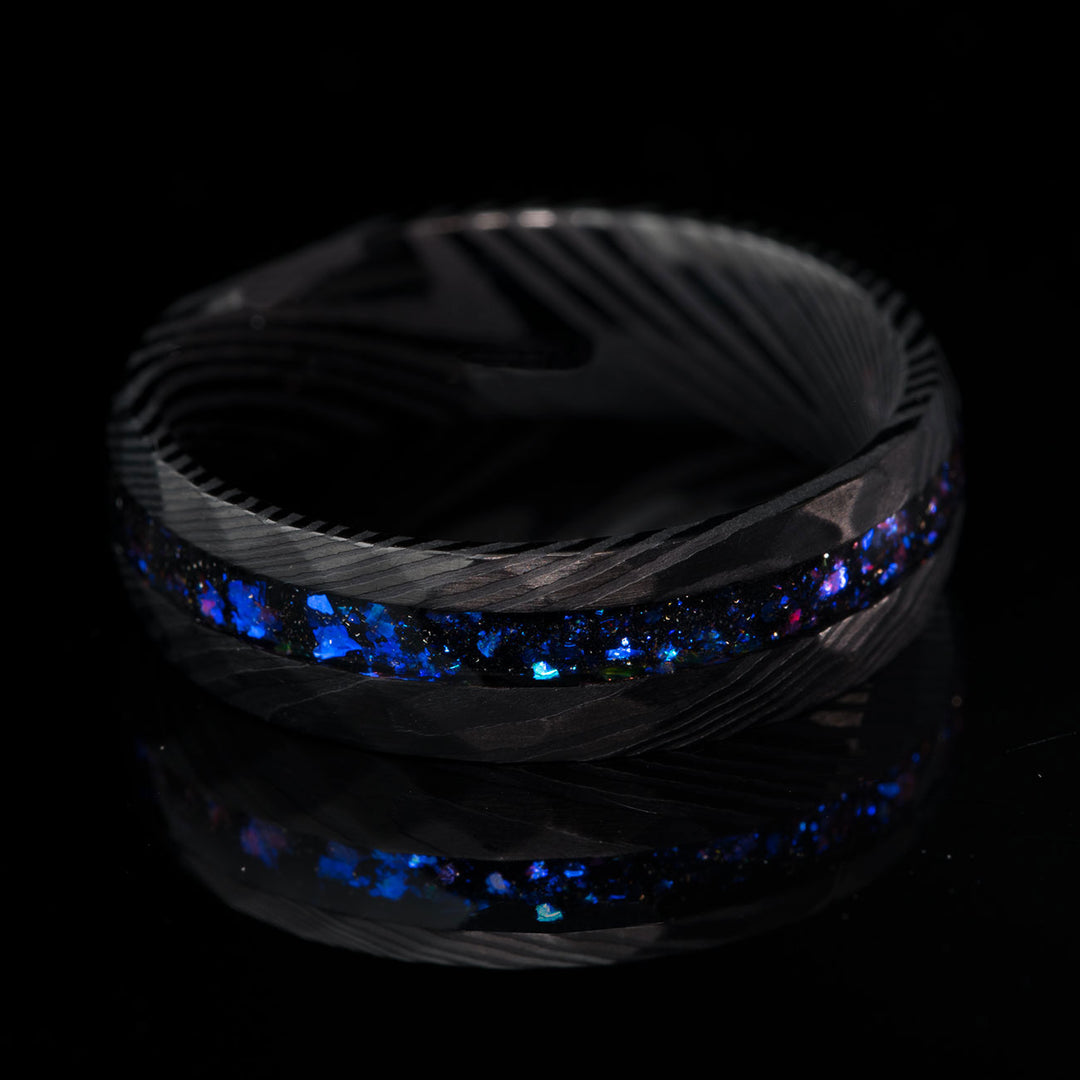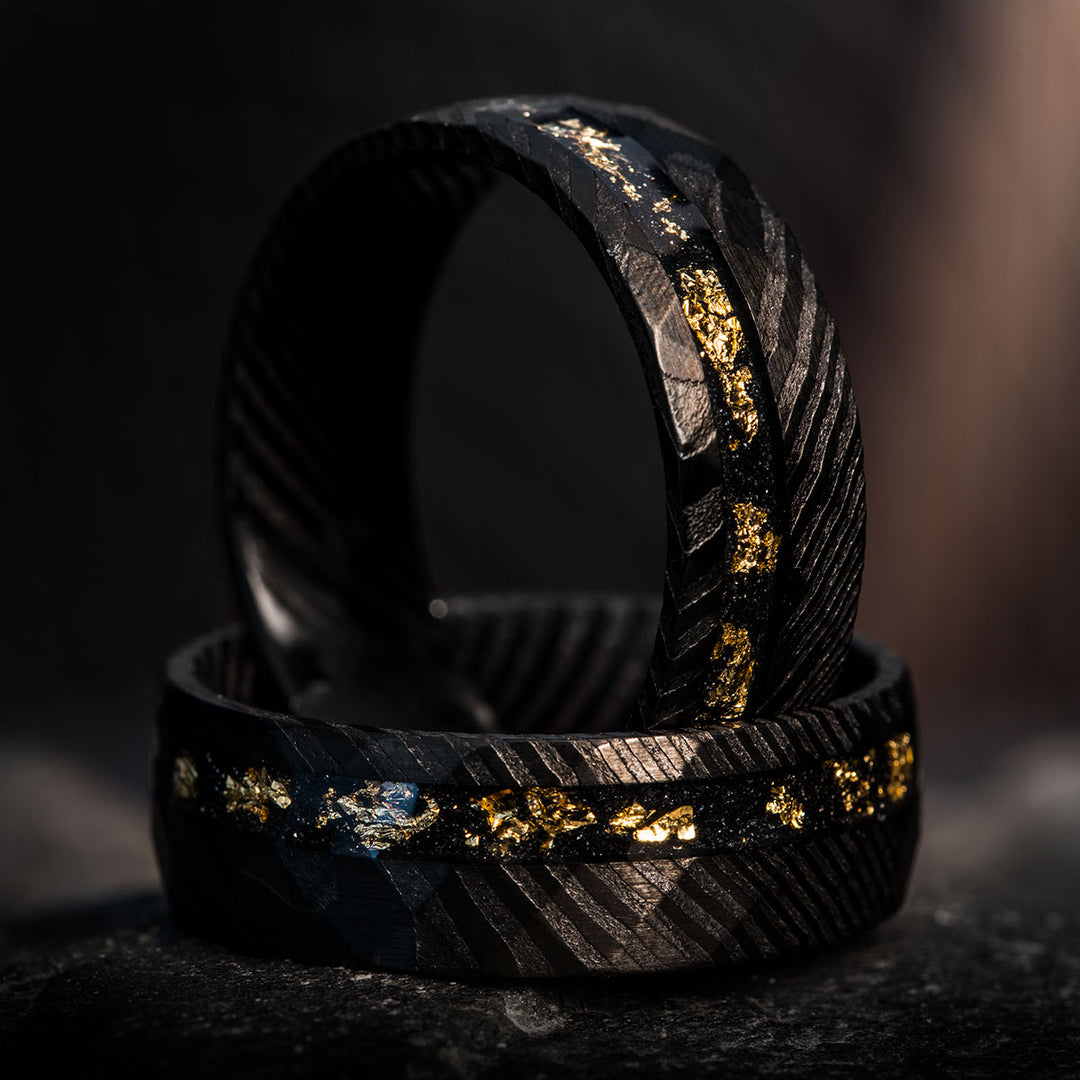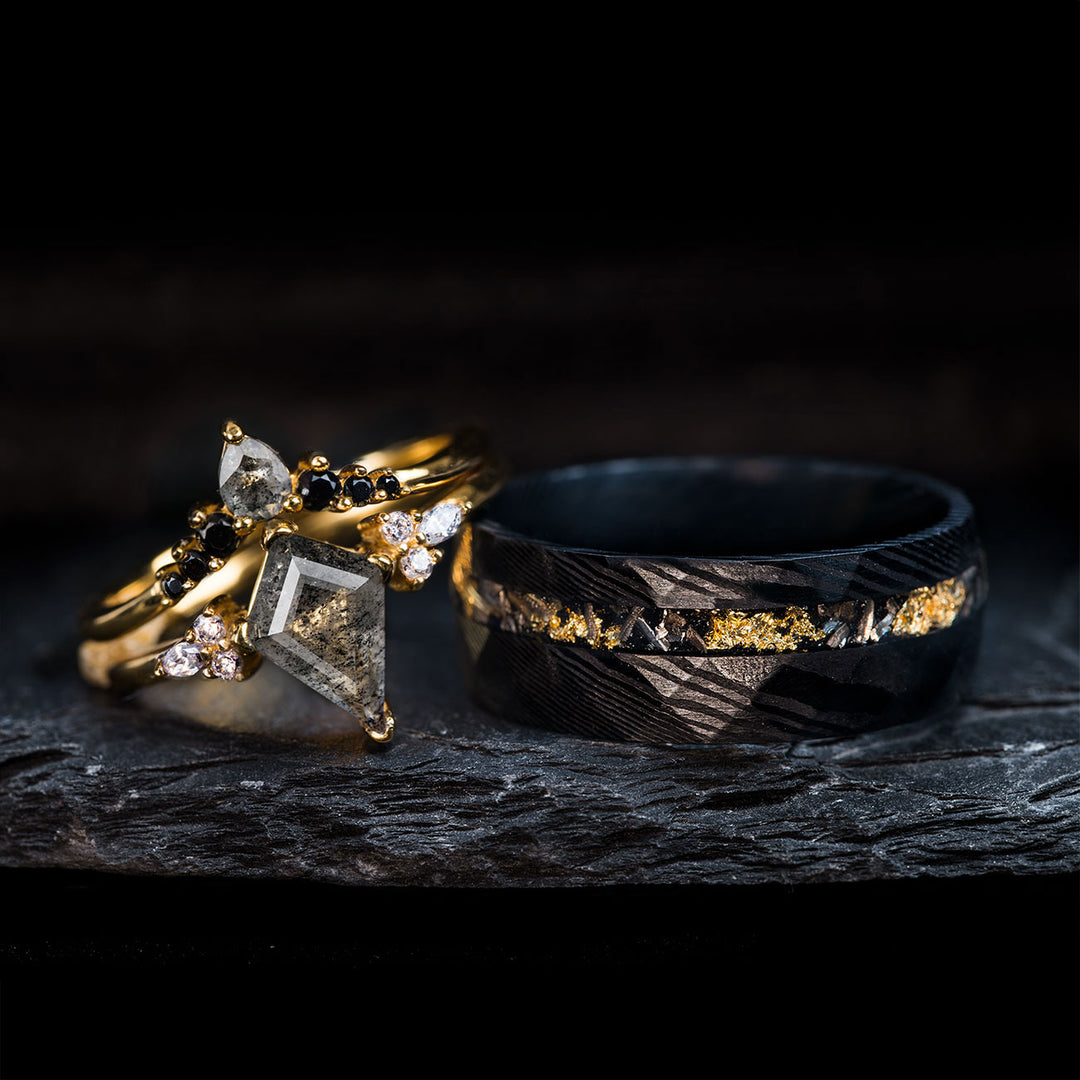


Yes, many people with arthritis can still wear rings, but comfort and fit may change over time.
Arthritis often makes wearing your favorite jewelry a bit more challenging. When you have this condition, your hands go through changes that alter how jewelry sits on your skin. Many people worry about swollen fingers and enlarged knuckles making their favorite bands feel tight or painful. Stiff joints can also make it incredibly difficult to slide a band over your finger, leading to frustration and difficulty removing rings at the end of the day.
Thankfully, you do not have to give up on your jewelry. There are many solutions available today, ranging from proper sizing techniques to specialized ring designs.
What Happens to Your Fingers When You Have Arthritis?
Hand arthritis generally comes in two forms: osteoarthritis and rheumatoid arthritis. Osteoarthritis breaks down the smooth cartilage at the ends of your bones, causing bones to rub together. Rheumatoid arthritis is an autoimmune condition where the body attacks the joint lining, causing severe inflammation. Both conditions lead to arthritis finger swelling and deep joint pain. This inflammation causes fluid build-up, making the tissue around your joints feel thick, tight, and tender. Common symptoms that directly affect how you wear jewelry include:
- Swelling that makes fingers thicker.
- Pain when pressure is applied to the joint.
- Morning stiffness that limits movement.
- Reduced flexibility when bending your fingers.
How Arthritis Can Change Ring Fit
As the condition progresses, it alters the physical shape of your hand. You might notice enlarged knuckles developing while the base of your finger stays relatively slim. This contrast creates a major puzzle for ring fit for arthritic hands. A band large enough to clear a wide, swollen joint will often spin and slide loosely around the slimmer base. Furthermore, your fingers likely experience fluctuating sizes throughout the day, often waking up large and stiff before shrinking slightly by the afternoon. Because of these shifts, a piece of jewelry that once fit perfectly may become highly uncomfortable or get stuck.

Can You Safely Wear Rings With Arthritis?
Safety should always come first when putting on jewelry.
When Wearing Rings Is Usually Fine
For many individuals, wearing rings with arthritis is perfectly safe during the early stages of the condition.
- If you have mild arthritis with minimal swelling, your jewelry should not cause issues.
- Well-managed symptoms mean your finger sizes stay relatively stable.
- If you only experience occasional rather than constant flare-ups, you can easily enjoy your jewelry on good days and simply store it away when your hands feel puffy.
When Extra Caution Is Needed
- You need to be very careful if you experience significant swelling on a daily basis.
- Having regular difficulty removing your pieces is a clear sign to pause.
- Severe joint deformities can permanently change the angle of your fingers, making stiff metal bands dangerous.
- Most importantly, if you experience a loss of circulation or numbness, you must stop putting jewelry on that finger immediately to prevent tissue damage.
Warning Signs That a Ring Is Too Tight
Pay close attention to how your skin looks and feels. Your wedding ring may be too tight due to arthritis if you notice any of these warning signs:
- Deep indentation marks left in your skin after taking the band off.
- Discoloration of the finger, such as a blue, purple, or pale white tint.
- Tingling or numbness along the tip of your finger.
- Difficulty rotating or moving the metal piece at all.
Choosing the Right Ring If You Have Arthritis
Shopping for new jewelry requires a new strategy when your joints are sensitive.
Prioritize Comfort Over a Tight Fit
When shopping for new pieces, you must change how you think about sizing. Sizing solely for the finger base may not work anymore because the band will get trapped at the joint. It is vital to prioritize accommodating enlarged knuckles so the jewelry can slide on and off without causing friction or pain.
Consider Wider vs. Narrower Bands
The width of the band changes how it exerts pressure on your skin.
| Band Style | Pros | Cons |
|---|---|---|
| Wider Bands | Distribute pressure evenly across the skin; less likely to cut into puffy tissue. | Take up more space on the finger; can feel restrictive during flare-ups. |
| Narrower Bands | Easier to slide past swollen joints; lightweight feel. | Can pinch the skin; may bend easily if made of soft metals. |

THE DARK KNIGHT
Select Lightweight and Comfortable Materials
Heavy metals can weigh down sensitive, aching hands. Look for lightweight materials like titanium rings or silicone rings for daily wear. If you are picking out a wedding band for arthritic fingers, look for comfort fit wedding bands. These designs have a slightly curved interior surface, which reduces friction and makes the metal slide over bumpy joints much smoother than flat-interior bands.
Explore Adjustable or Adaptive Ring Designs
Modern jewelers offer excellent arthritis ring solutions that do not require forcing metal over sore joints. Adjustable bands feature open backs that can expand slightly. Rings for arthritic fingers often feature hinged mechanisms, known as arthritic shanks, which open up like a bracelet and lock directly at the base of the finger. Expandable ring mechanisms use internal springs to stretch over wide joints and contract safely at the base.
Tips for Wearing Rings More Comfortably With Arthritis
Small changes to your daily routine can make a huge difference. Here are practical habits to protect your hands and your jewelry.
Put Rings On and Take Them Off at the Right Time
Timing is everything when dealing with swollen fingers and rings. Many people experience severe morning swelling due to fluid retention overnight. Avoid forcing jewelry onto your fingers right after you wake up. Checking your fit later in the day, such as after lunch, ensures your hands have reached their normal baseline size.
Monitor Seasonal and Temperature Changes
External temperatures directly impact blood flow and fluid retention. Hot summer weather causes blood vessels to expand, leading to increased arthritis finger swelling. Conversely, winter cold often causes fingers to shrink. Be prepared for your jewelry to fit tightly in July and loosely in January.
Remove Rings During Flare-Ups
When an arthritis flare-up hits, your joints become highly inflamed. It is best to remove your jewelry at the first sign of increased pain or puffiness. Taking these items off prevents them from getting stuck and causing painful circulation blocks.
Keep Rings Clean and Smooth
Lotions, soaps, and dead skin can gather underneath metal bands. This debris creates a rough surface that irritates sensitive skin. Regularly cleaning your jewelry ensures the inner surface stays completely smooth, reducing friction against your joints.

Wedding Rings and Arthritis: What Are Your Options?
Sentimental jewelry carries deep emotional value, making it hard to leave in a box. Here is how to adapt your wedding jewelry for changing hands.
Resizing Existing Rings
If your original band feels too snug, a professional jeweler can often size it up. Resizing works well if your finger size has stabilized. However, this option has major limitations if your knuckle size continues to change over the years, as repetitive resizing weakens the metal structure.
Adding Arthritis-Friendly Modifications
You can modify your current piece using specialized arthritis wedding band solutions. A jeweler can cut your band and install a hinged shank that opens completely. Another option is adding small, spring-loaded metal inserts or flexible sizing beads inside the band. These additions allow the piece to bypass the joint and grip the slimmer base gently.
Alternative Ways to Wear Meaningful Rings
If wearing a band on your hand becomes too painful, you can find other ways to display your commitment. Many wedding rings for arthritis sufferers look beautiful when looped through a high-quality sterling silver or gold chain and worn as a necklace. Alternatively, you can save your heirloom pieces for short, special occasions and switch to flexible silicone bands for daily tasks.
How to Find the Best Ring Size With Arthritis
Getting an accurate measurement requires a specialized approach when your joints change shape. Follow these steps to find your perfect fit.
Measure During Typical Conditions
When figuring out arthritis and ring sizing, avoid taking measurements during a severe inflammatory flare-up. You also need to avoid measuring your hands when they are freezing cold. Aim for a calm afternoon when your hands feel comfortable and represent your average, daily size.
Account For Knuckle Size
Your joint measurement is the most important number to track. If you only measure the base of the finger, the final piece of jewelry will simply get stuck at the joint. Use a sizing tool to find a measurement that slides over the widest part of your joint with just a small amount of resistance.
Work With an Experienced Jeweler
Finding the best rings for arthritis is much easier with professional help. Look for a jeweler who understands hand anatomy and arthritic changes. They can provide specialized sizing tools and recommend adaptive styles, like men’s wedding rings for arthritis, ensuring you get a comfortable, lasting fit.
Balancing Style, Comfort, and Health
Living with joint inflammation changes how you approach jewelry, but it does not mean you have to stop wearing meaningful bands. By focusing on proper fit, exploring adaptive designs, and paying attention to your body’s daily changes, you can wear jewelry comfortably and safely. Always put your health and circulation first, and utilize modern jewelry adjustments to keep your style and sentimental pieces close to you.
FAQs About Arthritis and Rings
Q1: Can arthritis make my ring size change?
Yes. Chronic joint inflammation, bone spurs, and fluid retention cause your fingers to change shape. These factors cause your size to fluctuate throughout the day and permanently grow larger over the years.
Q2: What type of ring is best for arthritic fingers?
The best rings for arthritis include adjustable bands, comfort-fit styles, and hinged designs. Hinged shanks are highly recommended because they open up completely, allowing you to bypass the knuckle entirely.
Q3: Should I wear my ring during an arthritis flare-up?
It is safest to remove your jewelry during a flare-up. Rings for swollen fingers can quickly become trapped when severe inflammation sets in, which can pinch your skin and block healthy blood flow.
Q4: What should I do if my ring gets stuck because of arthritis-related swelling?
Do not panic or pull hard on the metal. Elevate your hand above your heart to reduce fluid buildup, apply cold water or ice to soothe the area, and use a little liquid soap as a lubricant to gently slide the band off. Seek medical help immediately if your finger turns blue or feels numb.