

Key Takeaway
A 9–12mm wide men's wedding band can look bold, masculine, and well‑proportioned on the right hand, but it's not one‑size‑fits‑all—you need to match width to your hand size, lifestyle, comfort, and style preferences.
Most men pick a wedding ring based on the metal, but the width actually changes how it looks and feels the most. While a standard band is 6mm, 9–12mm rings are becoming popular for their bold, masculine appearance. These wide bands offer more room for unique details and feel very solid. This breakdown helps you decide if a wide band fits your hand size, daily habits, and personal style.

Knowing Different Men's Wedding Band Widths
Most guys start their search without realizing how much a few millimeters can change the overall look. Therefore, it helps to see where 9–12mm rings sit compared to other options before picking a specific size.
Common Width Ranges for Men
Wedding rings for men typically fall into three main categories.
- Slim bands are usually 2–4mm; these are lightweight and subtle.
- Classic bands range from 5–7mm and are the most common choice for the average hand.
- Wide bands start at 8mm and go up from there.
- A 9–12mm band is considered "extra wide." At this size, the ring becomes a primary focal point of your outfit rather than just a small accent.
How Width Changes the Look and Feel
A wider band means there is more metal wrapping around your finger. This adds physical weight, which many men find satisfying and masculine.
Beyond the weight, the extra surface area allows for much more detail. If you want cool men's wedding bands with intricate patterns, wood inlays, or hammered textures, a 12mm width makes those features much easier to see from a distance.

Who Should Choose a 9–12mm Wide Band?
Finding the right balance between the size of your hand and the width of the metal ensures the ring looks intentional rather than oversized.
Hand Size and Finger Shape
If you have large hands, thick fingers, or big knuckles, a standard 6mm ring might look a bit lost or "dainty" on you. A 9–12mm band provides a proportional look that matches the scale of a larger hand. On the other hand, if you have very long fingers, a wide band can help "fill the space" between your knuckles, making your hand look more balanced.
Personal Style and Personality
Some men want their ring to be noticed. If your wardrobe includes bold watches or sturdy boots, a wide wedding band fits that aesthetic perfectly. These rings work well for men who like modern, rugged, or minimalist styles. It is a confident choice that signals you aren't afraid to wear jewelry that makes a statement.
Lifestyle and Comfort Preferences
If you are already used to wearing rings or heavy watches, the transition to a 10mm or 12mm band will be easy. However, if you have never worn jewelry before, the "presence" of a wide band might take some time to get used to. It covers more skin, which means you will feel it every time you move your fingers or grip an object.

Pros and Cons of Wide Men's Wedding Bands
Every design choice has trade-offs. While wide bands are visually striking, they come with specific practical realities that you should weigh against their rugged, masculine appearance before making a purchase.
Advantages of Going Wide
- The biggest pro is the visual impact. A 12mm ring looks incredibly strong and masculine.
- Because there is more room on the band, you can explore men's wedding bands unique features like dual-metal inlays or deep engravings that wouldn't fit on a thinner ring.
- For many, the extra weight also feels more "real" and durable, giving the wearer a sense of permanent connection to the piece.
Potential Drawbacks
- The main downside is bulk. A wide band can feel restrictive if you aren't used to it.
- It also traps more moisture and heat against your skin, which can cause irritation if you don't keep the area clean.
- Additionally, a wide ring is more likely to hit the edges of pockets or tools. If you spend your day reaching into tight spaces, a 12mm band might get in the way more than a slim 5mm version.
How to Get the Right Fit for a Wide Band
Sizing a wide ring is different than sizing a thin one. Because the metal covers a larger portion of your finger's "fleshy" area, the fit can feel much tighter even if the number on the sizer is the same.
Why Wide Bands Fit Differently
You can think of a ring like a pair of pants. A thin belt only touches a small strip of skin, but a wide corset or back brace covers a large area and feels much more snug. A 10mm band creates more friction against your finger than a 4mm band. Because of this, most people find they need a slightly larger size for a wide ring to feel comfortable.
Comfort-Fit vs. Standard-Fit
If you are going with a 9–12mm width, a comfort-fit interior is highly recommended for most people. A standard-fit ring is flat on the inside. A comfort-fit ring is slightly domed or curved on the inside. This curve allows the ring to slide over the knuckle more easily and prevents the edges from digging into your skin when you make a fist.
Sizing Tips for 9–12mm Rings
When you go to a jeweler, do not use a thin wire sizer. Ask for a "wide band sizer."
You should also test the fit at different times of the day. Your fingers swell when it is hot or after you exercise. A wide band that feels perfect in a cold room might feel uncomfortably tight after a long walk in the sun.

Best Design Choices for Wide Wedding Bands
A wide surface is like a blank canvas. It lets you use different textures and materials that wouldn't stand out on a smaller piece of jewelry.
Metal Types and Colors
The choice of material changes the weight significantly. A 12mm platinum ring will feel very heavy, while a 12mm titanium ring, or a carbon-fiber design, can feel surprisingly light. Gold remains a classic choice for wedding band styles, offering a warm look that really glows when there is a lot of surface area to reflect light.
Finishes and Textures
With a wide band, you can mix finishes. You might have a brushed center with polished, shiny edges. Hammered finishes look especially good on 9–12mm rings because the "dimples" in the metal have room to create a rugged, handcrafted pattern. These textures are also great at hiding the small scratches that naturally happen over years of wear.
Details and Personalization
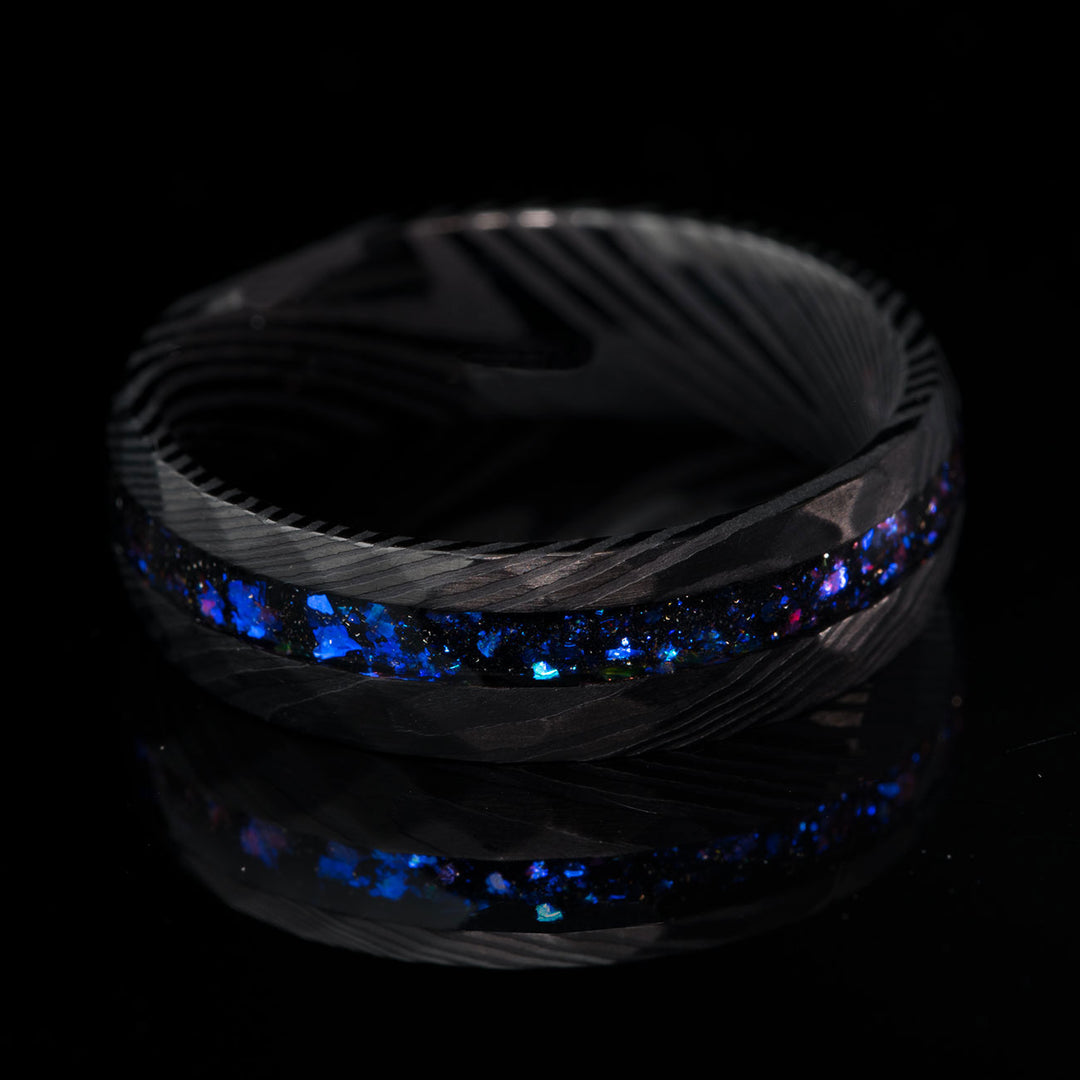
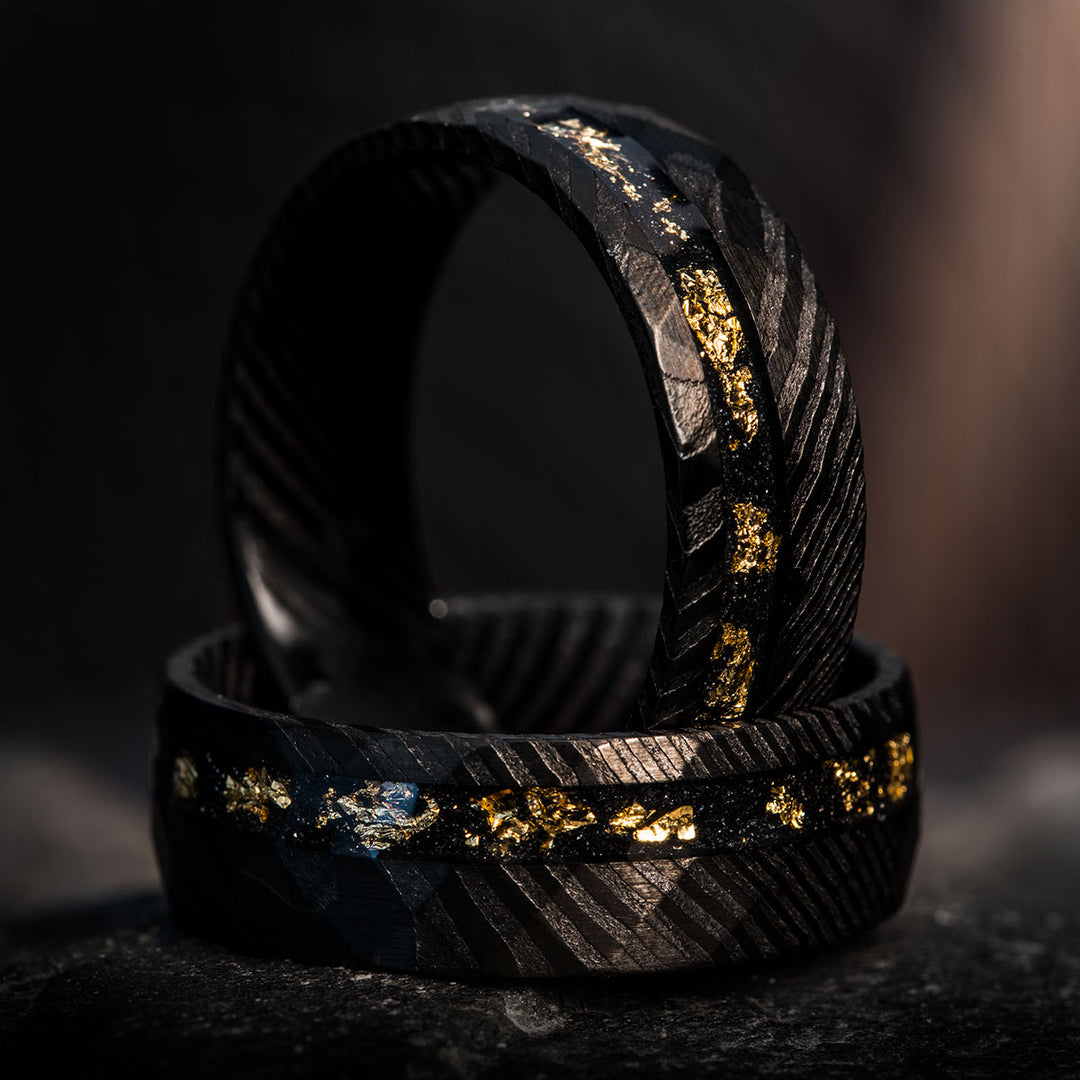
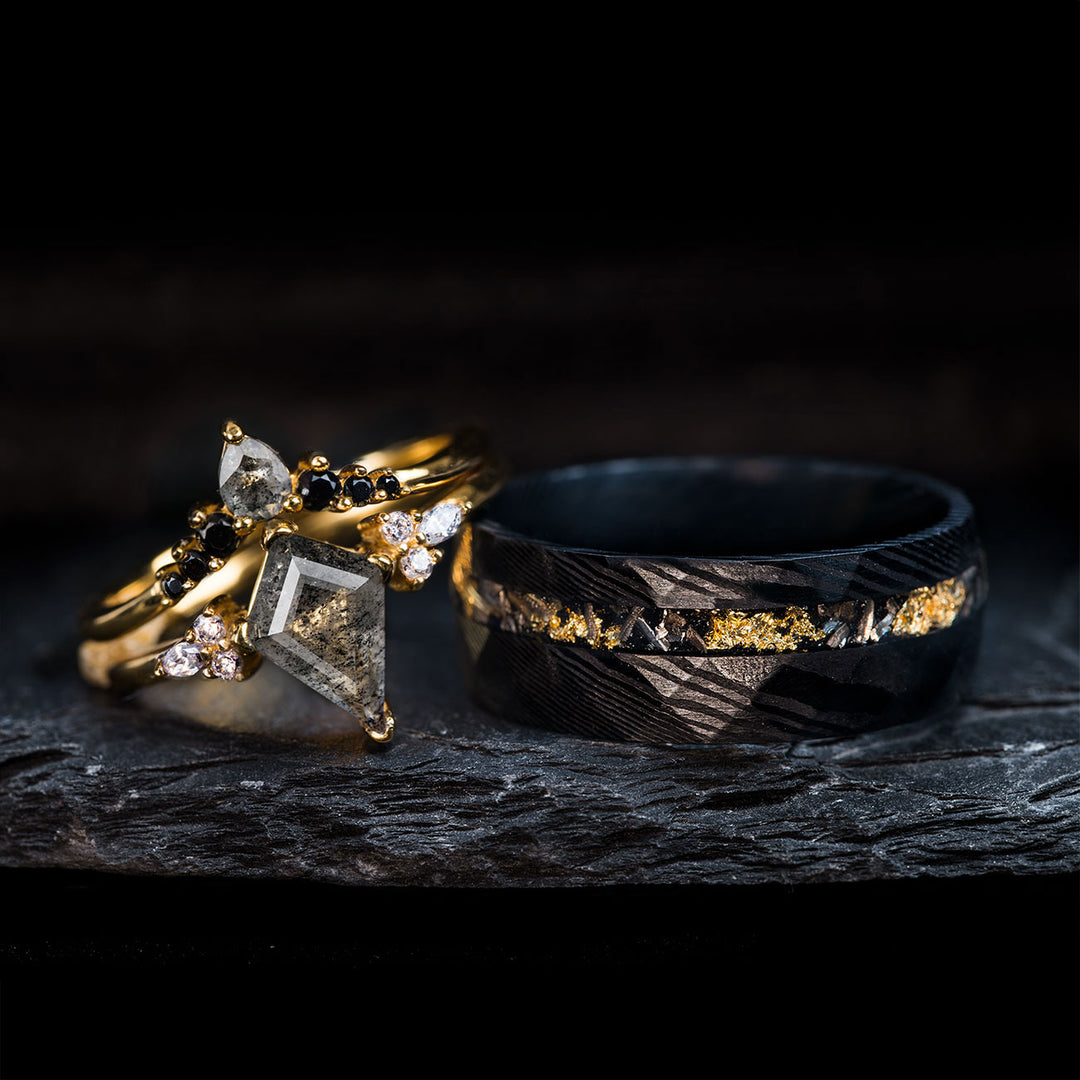
Wide rings are perfect for inlays. You can find rings with strips of whiskey barrel wood, meteorite, or contrasting metals like rose gold set into a black tungsten base. You also have plenty of room for a meaningful engraving on the inside—or even the outside—of the band.
When a Narrower Band Might Be the Better Choice
Wide bands are great, but they aren't the right answer for everyone. Sometimes, the practical needs of your job or the physical shape of your hand make a classic width a smarter move.
If You Have Smaller Hands or Slim Fingers
If you have small hands, a 12mm ring can look like a piece of pipe stuck on your finger. It can overwhelm your hand and make your fingers look shorter than they are. In these cases, staying between 4mm and 6mm usually provides a more elegant and balanced look.
If You Work a High-Activity or Hands-On Job
For mechanics, construction workers, or athletes, a wide ring can be a liability. It is more likely to get caught on equipment or pinched against a tool. If your job requires you to wear gloves frequently, a thick, wide band can be bulky and uncomfortable under the fabric.
If You Prefer a Minimalist or Subtle Style
Some men simply don't want their jewelry to be a conversation starter. If you want a ring that you can put on and completely forget about, a 5mm or 6mm band is the way to go. These widths provide the symbol of marriage without the physical "heaviness" of a wider statement piece.
How to Decide if a Wide Band is Right for You
Choosing a ring is a personal process. Following a few logical steps can help you move past the photos you see online and find the ring that actually works in your real life.
- Look in the mirror: Hold your hand up and imagine a thick band on it. Does it look proportional to your frame?
- Try on samples: Go to a store and try a 6mm, 9mm, and 12mm ring side by side. The visual difference is usually immediate.
- Test your grip: When you have a wide sample ring on, make a fist or grab a steering wheel. See if the metal pinches your skin.
- Check your wardrobe: Consider if the bold look of a wide band matches the clothes you wear to work and on the weekends.
- Be honest about comfort: If the ring feels "annoying" after five minutes in the store, it will likely bother you even more after five years.
Pick the Right Men's Wedding Band Width
A 9–12mm band is a powerful choice for men with larger hands who want a ring that truly stands out. While these wide rings require extra care with sizing, they offer a unique, masculine look that thin bands cannot match. Focus on your daily comfort and hand shape to find a piece that feels natural. The right width balances a bold style with a fit that stays comfortable for years.
FAQs About Wide Men's Wedding Bands
Q1: Are wide 9–12mm bands comfortable for everyday wear?
Yes, but they take a few days to get used to. Choosing a "comfort fit" interior makes a huge difference in how the ring sits on your finger during movement.
Q2: Do wide wedding bands run smaller than standard rings?
They don't technically run smaller, but they feel tighter. Most jewelers recommend going up about a half-size when moving from a thin band to one that is 9mm or wider.
Q3: Which hand shapes look best with wide bands?
Men with large hands, long fingers, or broad palms usually look best with wide bands. The width of the ring complements the scale of the hand.
Q4: What is the best finish for a wide band to hide scratches?
A brushed or hammered finish is best. Since wide rings have more surface area, they are more likely to pick up small scuffs. A textured surface masks these marks much better than a high-polish, shiny finish.