

Key Takeaway
The finish that ages best is the one that fits your daily habits. Choose matte or brushed textures for better scratch camouflage and a subtle look. Choose polished for maximum shine and planned professional cleanings. You can also look at mixed-finish designs to get the benefits of both styles.
When you pick out a wedding ring, it looks perfect in the jewelry case. It is either a mirror-bright circle or a smooth, velvety band. But after a few years of opening doors, lifting weights, and working at a desk, that surface will change. The "better" choice depends on how you feel about those changes and how much work you want to do to keep the ring looking fresh.

What Does "Aging Well" Actually Look Like for a Ring?
A ring that "ages well" can mean different things to different people. For some, it means the metal hides scratches, so it always looks clean. For others, it means the ring develops a "patina"—a soft, worn look that shows the history of your marriage. The truth is that no metal is invincible. Both matte and polished finishes will eventually meet in the middle. A polished ring gets duller, and a matte ring gets shinier. Your choice depends on which stage of that process you prefer to see.
What Happens to Each Finish Over Time
Every ring faces a tough life. Metals like gold and platinum are durable, but they are softer than the steel tools, granite counters, and glass doors they hit daily.
The Life of a Polished Finish
A polished ring starts with a mirror-like surface. Because it is so smooth, it reflects light perfectly. When a tiny scratch happens, it breaks that reflection, making the mark stand out. Over a year or two, thousands of these "micro-scratches" create a hazy look. Instead of a mirror, the ring starts to look more like satin. Fingerprints and oil from your skin also show up clearly on these shiny surfaces.
The Life of a Matte Finish
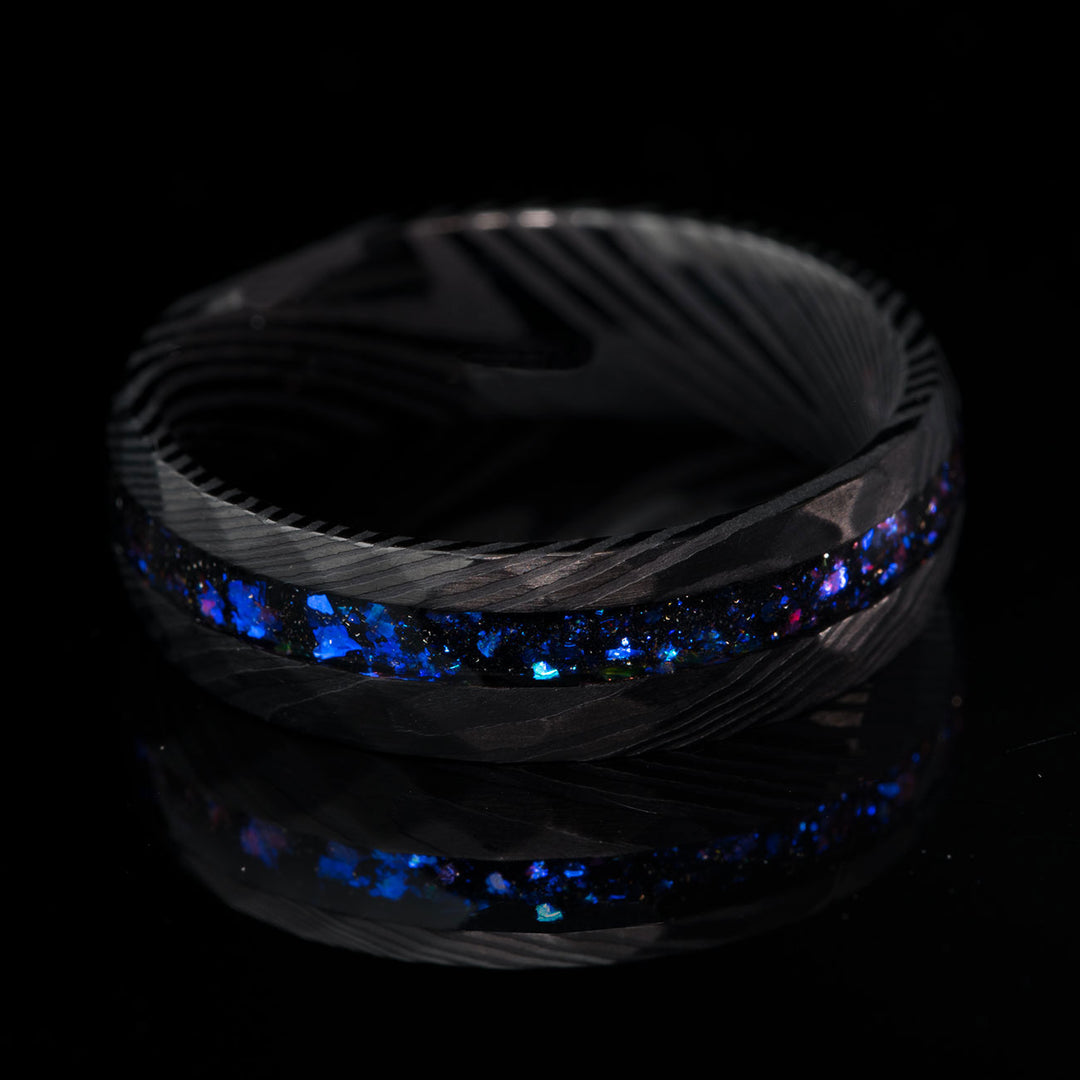
Matte rings have a textured surface, like very fine sandpaper or a brushed metal appliance. This texture diffuses light, so scratches blend in. However, through a process called "burnishing," the high points of the texture get rubbed down by friction. If you reach into your pockets or rub your hands together often, the matte finish will start to look shiny on the edges. It doesn't get "scratched" in the traditional sense; it just loses its fuzziness and becomes smoother.

Why Some Finishes Show Scratches More Than Others
The way a ring handles a scuff comes down to how it plays with the light in the room. Texture acts as a built-in disguise for the inevitable marks of a busy life.
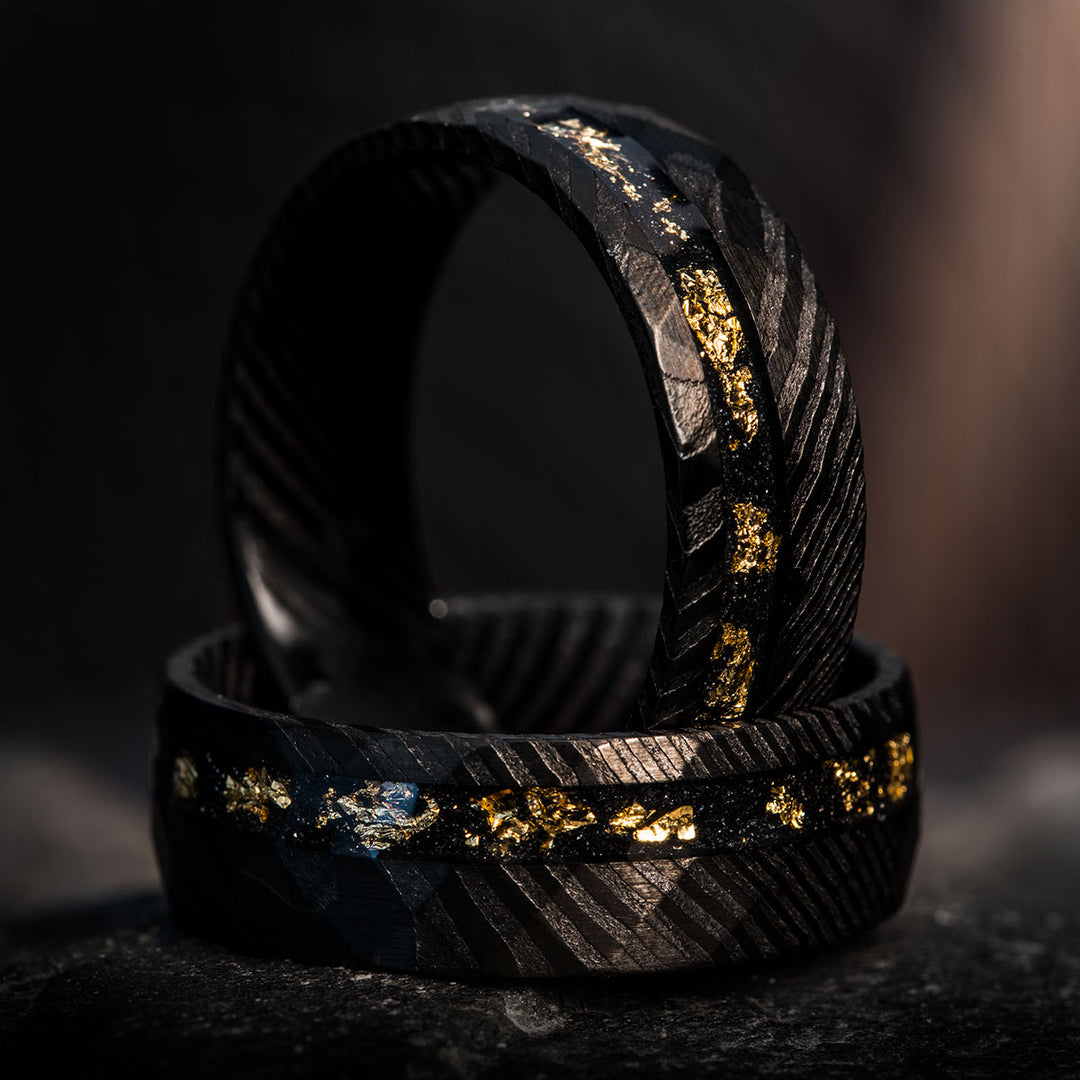
- Smooth surfaces act like a spotlight for damage. If you have classic wedding bands with a high-polish finish, a single scratch from a car door will catch the light and draw your eye right to it. Textured finishes, like brushed or sandblasted styles, already have "intentional" marks on them. When you add a real scratch to a matte surface, it just looks like part of the design.
- The shape of the ring also plays a role. A "flat" band has more surface area to get scratched. A "domed" or rounded band has a smaller contact point when it hits a flat surface, which can help it stay looking newer for a few extra months.
Matching Your Ring Finish to Your Daily Habits
Your job and hobbies are the biggest factors in how your ring will look in five years. Someone who works in an office has different needs than someone who works construction.
Office and Tech Lifestyles
If you spend your day typing, your ring will mostly hit the edge of your laptop or desk. This creates "desk diving" marks on the bottom of the band. A polished ring will show these scuffs as a dull patch. A matte ring will handle this better, though the bottom may eventually become slightly shinier than the top.
Active and Hands-On Lifestyles
For those who lift weights, garden, or use tools, a matte finish is usually the winner. Men's gold wedding bands with a brushed texture can take a lot of abuse before they look "messy." If you take a polished ring to the gym, the metal-on-metal contact with dumbbells will turn that mirror finish into a dull grey look very quickly.

How Metal Choice Affects Ring Finish Longevity
The type of metal you choose is just as important as the finish. Some metals hold onto their original look much longer than others because of their natural hardness.
- When looking at men's gold rings, remember that 14k gold is harder and more scratch-resistant than 18k gold. This is because 14k has more alloy metals mixed in. If you choose a rose gold men's wedding band, the copper used to give it that red tint actually makes the metal quite durable.
- Platinum is a unique case. It doesn't actually lose metal when it gets scratched; the metal just shifts over. This creates a "patina" finish that many people find attractive over time.
- If you want a ring that stays exactly the same forever, you might look at alternative metals like tungsten, which is so hard that it is almost impossible to scratch, though it cannot be resized later.
Maintenance Requirements for Each Finish Style
No matter which finish you pick, knowing the "upkeep tax" helps you make a better decision for the long run.
Restoring a Polished Ring
Polished rings are the easiest to fix. A jeweler can use a high-speed buffing wheel to remove a tiny layer of metal and bring back the original shine. This usually takes less than 15 minutes. Most people do this once a year or before big events like a sibling's wedding or a major anniversary.
Refreshing a Matte Ring
Matte finishes require a bit more skill to restore. The jeweler has to use a specific abrasive tool to "re-brush" the surface. If you do this too often, you can wear down the metal faster than polishing would. However, many people find they can go two or three years before the "burnishing" bothers them enough to seek a repair.
The Best of Both Worlds: Choosing the Mixed Finishes
If you can't decide, you don't have to choose just one. Many modern gold rings for men use a combination of textures to create a look that ages gracefully.
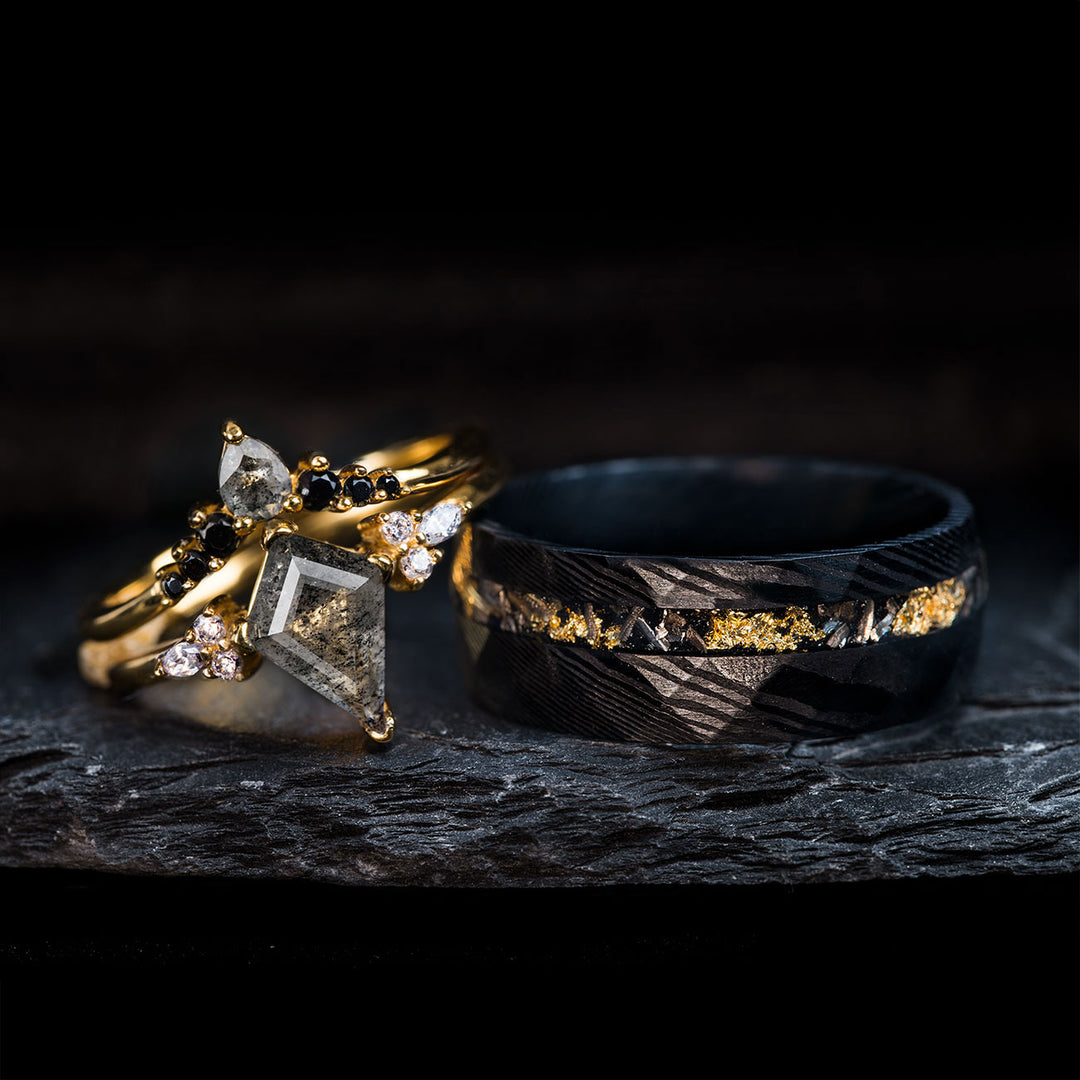
A very popular men's ring design features a brushed or matte center with thin, polished edges. This is clever because the matte center hides the bulk of the scratches, while the polished edges provide that high-end "pop" of shine. Because the polished parts are small and on the edges, they are less likely to hit flat surfaces directly. Other options include hammered finishes, which use intentional dents to hide any future accidental dents. These "distressed" looks are the champions of aging because they are designed to look better as they get beaten up.
How to Choose Your Finish in 60 Seconds
Still on the fence? Use this quick checklist to see which category you fall into before you make your final purchase.
- Choose Matte/Brushed if: You work with your hands, you dislike "blingy" jewelry, or you don't want to visit a jeweler every year for maintenance.
- Choose Polished if: You want a traditional look, you like the way the ring catches the light, and you don't mind a few scratches between professional cleanings.
- Choose Mixed/Hammered if: You want a unique look that disguises wear and tear while still having some reflective sparkle.
Pick the Best Wedding Band Finish for Your Life
There is no "wrong" choice when picking a finish for your wedding band. Both matte and polished rings will change as they go through life with you. As long as you choose a metal that fits your lifestyle and maintain it well, even if it's a rose gold men's wedding band or a classic yellow gold piece, it will look great for decades.
FAQs about ring finishes and care
Q1: Do matte wedding bands stay matte forever?
No. Over time, friction from your skin, clothing, and everyday objects will "burnish" the metal. This makes the matte surface look smoother and shinier, especially on the edges of the band.
Q2: Can scratches be removed from a polished ring?
Yes. A professional jeweler can buff out surface scratches easily. This process removes a microscopic layer of metal to reveal a fresh, smooth surface underneath.
Q3: Which finish is better for an active lifestyle?
A matte or brushed finish is generally better for active people. It hides the scratches from gym equipment or outdoor work much better than a polished surface, which shows every tiny mark.
Q4: How often should I get my ring refinished?
Most people get their rings professionally cleaned and polished once a year. However, if you like the "worn" look, you can go many years without any maintenance at all.