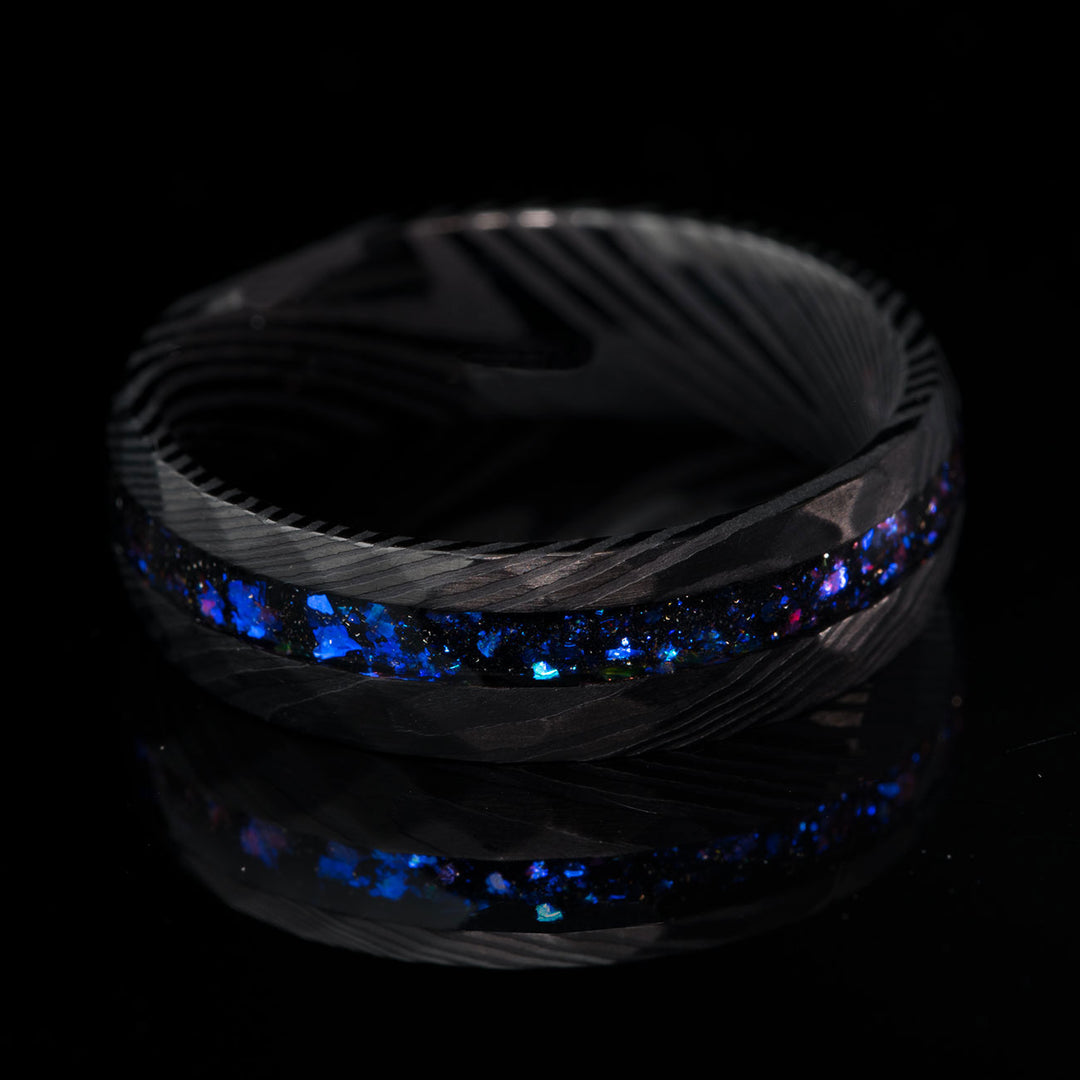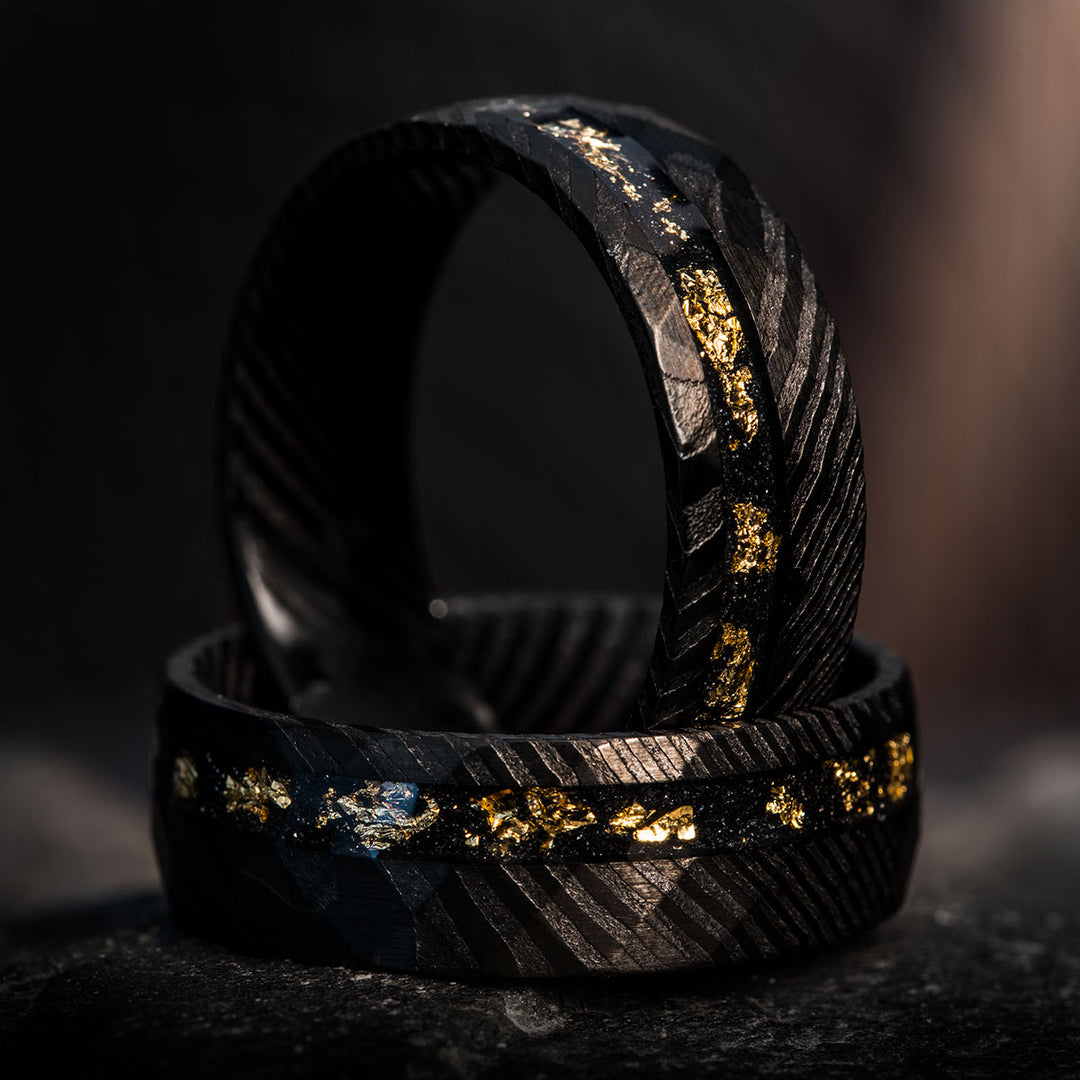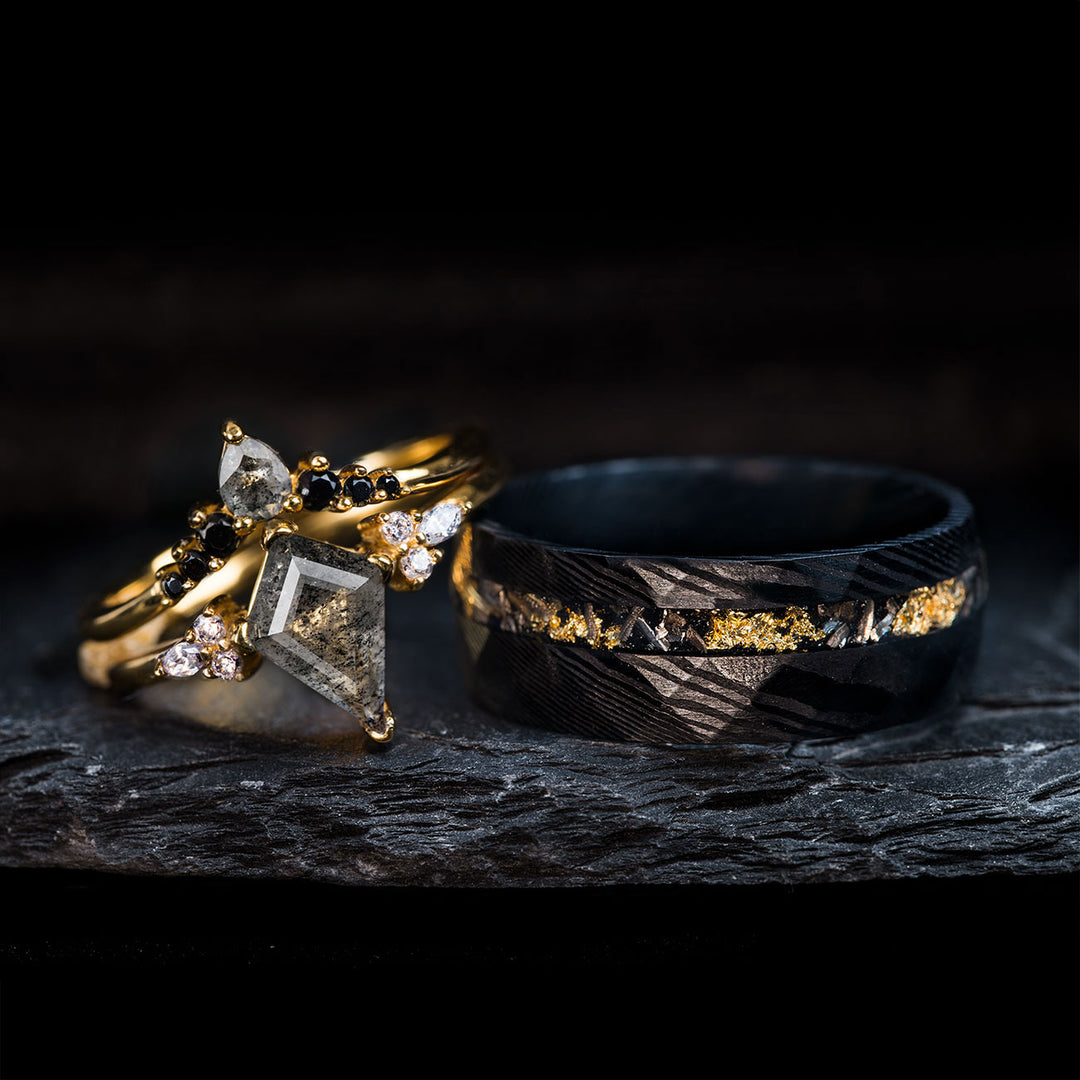


A wedding band faces a tough life. It hits door handles, rubs against car keys, and knocks into grocery carts every day. If you pick a soft material, those tiny moments quickly turn a shiny ring into a dull, scuffed piece of metal. Ring durability determines if your jewelry stays beautiful or looks worn out in a few months. Choosing the right strength keeps your memories looking sharp for a lifetime.

3 Reasons to Prioritize Ring Durability
Buying a ring costs a lot of money and carries deep emotions. If the material fails to handle your daily routine, you face a damaged piece that loses its shine.
Scratch Resistance Protects the Look
Daily life is hard on jewelry. Your ring hits car keys, metal door handles, and gym equipment. Each contact can leave a permanent mark if the material is too soft. High ring durability ensures these small bumps do not ruin the polished finish.
Cloudiness Ruins Gemstones
Soft stones face a specific risk. Tiny bits of grit and sand can act like sandpaper. Over time, many small scratches make a clear stone look cloudy and dull. Choosing a hard stone prevents this surface damage from hiding the sparkle.
Longevity Saves Money
A ring that scratches easily requires constant professional polishing. Frequent repairs thin out the metal and cost a lot over time. Picking the right hardness from the start keeps the band strong and looking new for decades without extra work.
What Exactly Is the Mohs Hardness Scale?
This Mohs Hardness Scale is the universal standard for measuring how well a mineral resists being scratched. Created by Friedrich Mohs in 1812, it ranks minerals from 1 to 10 based on their ability to scratch one another.
The scale is not a linear measurement. This means a diamond, which sits at a 10, is not just ten times harder than talc, which is a 1. In reality, a diamond is four times harder than a sapphire (rated 9), even though they are only one point apart on the scale.
The simplest way to think about this scale is "who can scratch whom." A material with a higher number can scratch anything with a lower number. For example, if you have a piece of quartz (7) and a piece of glass (5.5), the quartz will easily leave a mark on the glass, but the glass cannot hurt the quartz. When you look for scratch-resistant rings, you are looking for materials that sit high on this list so they can fend off the bumps and scrapes of the world.

The Gemstone Hierarchy: Which Stones Last Forever?
Gemstones vary wildly in their ability to withstand friction. Picking a stone for an engagement ring requires a different strategy than picking one for earrings, as hands are much more active and prone to impact.
| Gemstone | Mohs Rating | Durability Level |
| Diamond | 10 | Extreme |
| Moissanite | 9.25 | Very High |
| Sapphire/Ruby | 9 | High |
| Topaz | 8 | Moderate |
| Quartz/Amethyst | 7 | Fair |
| Opal/Pearl | 2.5 - 6.5 | Low/Fragile |
The Best Gemstones for Daily Wear
When understanding ring material durability, the number 7 is a major turning point. Dust and grit often contain quartz, which sits at a 7 on the Mohs Hardness Scale. Anything softer than a 7 will eventually get scratched just by being wiped with a cloth.
- The Top Tier (9-10): Diamonds (10) and Moissanite (9.25) are nearly impossible to scratch. Sapphires and Rubies (9) also fall into this group. These stones stay clear and bright for a lifetime.
- The Danger Zone (Below 7): Stones like Opals, Pearls, and Emeralds are much softer. Even a fingernail or a piece of silver cutlery can leave marks on them.
Selecting a stone from the top tier ensures your ring handles chores and work without losing its polish.
The Metal Hierarchy: From Gold Alloys to Solid Tungsten
While gemstones get all the glory, the metal holding them in place does most of the heavy lifting. The metal needs to be hard enough to hold its shape but functional enough for a jeweler to work with. A ring metal hardness chart shows a surprising range of results:
- Tungsten: 8.5 – 9
- Titanium: 6
- Platinum: 4 – 4.5
- 14K Gold: 3 – 4
- Silver: 2.5 – 3
You might notice that gold is quite low on the scale. Pure 24K gold is so soft you could almost deform it with your teeth. This is why jewelers mix gold with other metals like copper, silver, and zinc to create 14K or 18K alloys. This process "hardens" the gold so it can hold onto diamonds securely.
A tungsten ring is one of the hardest options available. It is so scratch-resistant that it will likely look exactly the same 20 years from now as it does today.
Platinum, while very heavy and expensive, is actually softer than many people realize. It scratches easily, but it has a unique property: the metal doesn't scrape away. Instead, it just shifts around, creating a "patina" look that many people find attractive over time.

Hard vs. Tough: Why Harder Isn't Always Better
High hardness ratings do not make a ring indestructible. There is a big difference between resisting a scratch and resisting a break. Confusing these two traits can lead to a broken ring.
Hardness measures how difficult it is to scratch a surface. Toughness measures how well a material stays together after a hard hit. The following are two examples for you to better understand it:
- The Ceramic Plate Example: A ceramic plate is very hard. A metal fork will not scratch it, but if you drop the plate on a floor, it shatters.
- The Lead Weight Example: Lead is very soft and easy to scratch with a fingernail. If you hit it with a hammer, it simply flattens out without breaking.
Now, back to the ring material itself, materials like diamonds and tungsten are famous for being hard, but they are also brittle. This leads to a specific trade-off in understanding ring material durability.
- A tungsten ring stays shiny forever, but it cannot bend. If you drop it on concrete or bang it against a steel door frame, it can snap in half or shatter like glass.
- Gold and platinum are soft and scratch easily. Because they are flexible, they bend rather than break. If your hand gets caught in a door, a gold ring might deform, but it will not shatter into sharp shards.
While the risk of shattering exists, it does not mean you should avoid hard materials. For many people, a tungsten ring is the perfect solution because it solves the biggest problem in jewelry: the loss of beauty over time. When you decide, it all depends on your personal lifestyle and wearing habits.
How to Choose the Right Material for Your Job & Lifestyle
The best ring for a software engineer might be a disaster for a construction worker. Matching your ring's specs to your daily activity ensures your jewelry survives your lifestyle without constant repairs.
For Manual Labor and Healthcare Workers
If you work with your hands, such as a nurse, mechanic, or carpenter, you need to prioritize safety and "toughness" over "hardness." Platinum is a great choice because it is durable and won't snap. However, many people in these fields are switching to silicone bands for work. Silicone has no hardness to speak of, but it is safe; if it gets caught in machinery, it breaks away instead of hurting your finger.
For Office Workers and Creatives
If your day involves typing, meetings, and light household tasks, you have more freedom. 14K or 18K gold is perfectly fine. You might see some scratches over the years, but a quick professional polish every few years will bring back the original shine. You can also safely wear stones like emeralds or morganite, though you should still be careful during weekend chores.
For the "Low Maintenance" Lifestyle
If you want a ring you never have to worry about, and you don't plan on resizing it later, a tungsten ring or titanium band is ideal. These metals are great for people who hate the look of scratches and want a ring that remains shiny without any upkeep. Just remember that these metals generally cannot be resized because they are too hard for traditional jeweler tools to melt and reform.
Pick the Best Materials for Your Lifestyle
Finding the right ring requires balancing beauty with daily use. A diamond on a gold band is popular because it pairs a hard stone with a flexible metal. Use the Mohs Hardness Scale to choose a combination that fits your habits. Whether you prefer the permanent shine of a tungsten ring or the classic feel of gold, knowing how your materials handle wear ensures your jewelry lasts a lifetime.
FAQs About Ring Durability
Q1: Can I scratch a diamond?
Technically, only another diamond can scratch a diamond. However, you can "chip" a diamond. If you hit it at the right angle against a hard surface, the crystal structure can peel or crack. Hardness does not mean it is invincible to impact.
Q2: Why does my white gold ring turn yellow?
This is a durability issue regarding the finish, not the metal itself. White gold is usually plated with a hard metal called Rhodium to give it that bright silver look. Over time, that plating wears off through friction, revealing the naturally yellowish gold underneath. Most people get their rings "re-dipped" every 1-2 years to maintain the color.
Q3: Is Tungsten better than Platinum?
"Better" depends on what you value. Tungsten is much more affordable and almost impossible to scratch, but it can shatter and cannot be resized. Platinum is much more expensive and scratches easily, but it lasts for generations because it doesn't wear away, and any jeweler can resize it if your finger shape changes over the years.