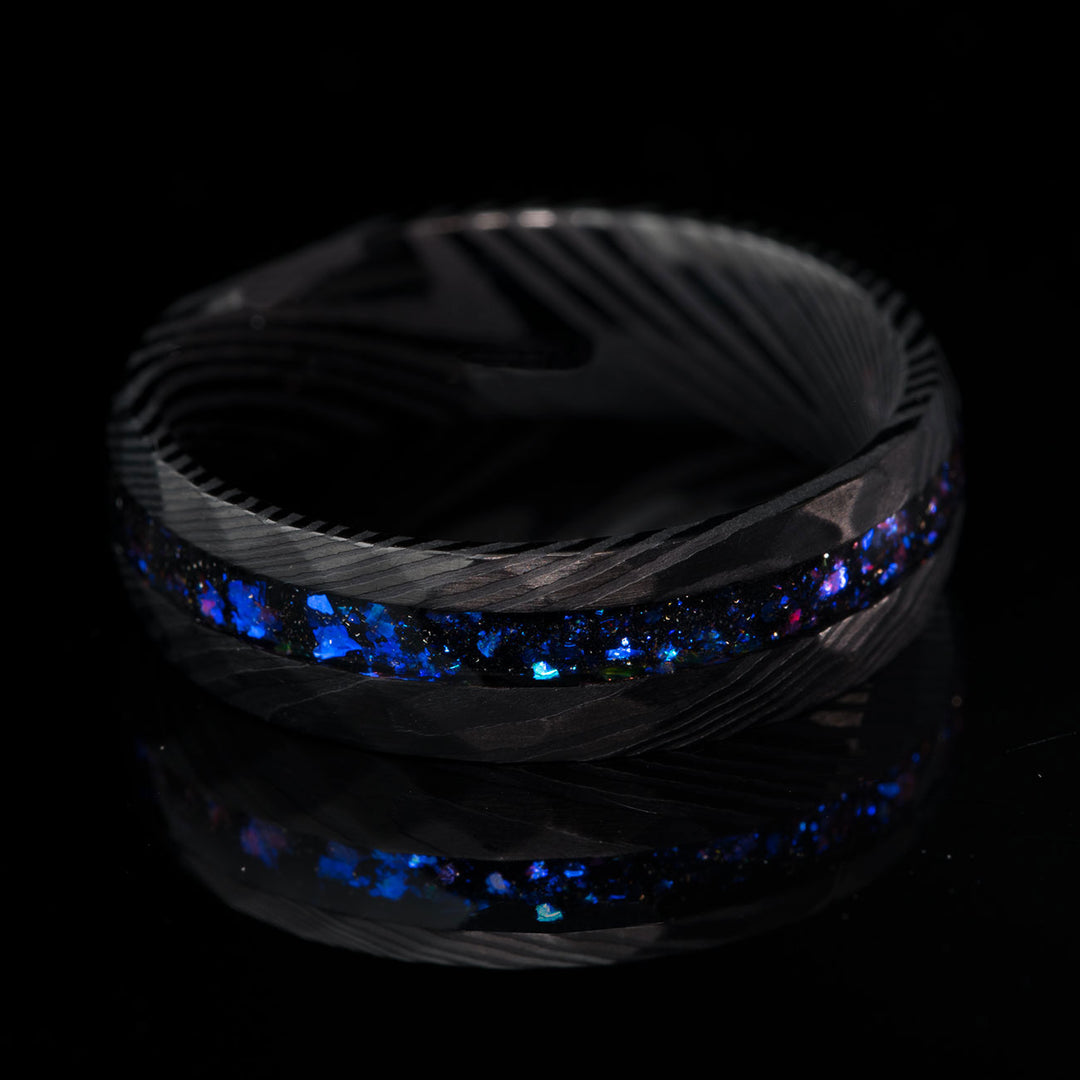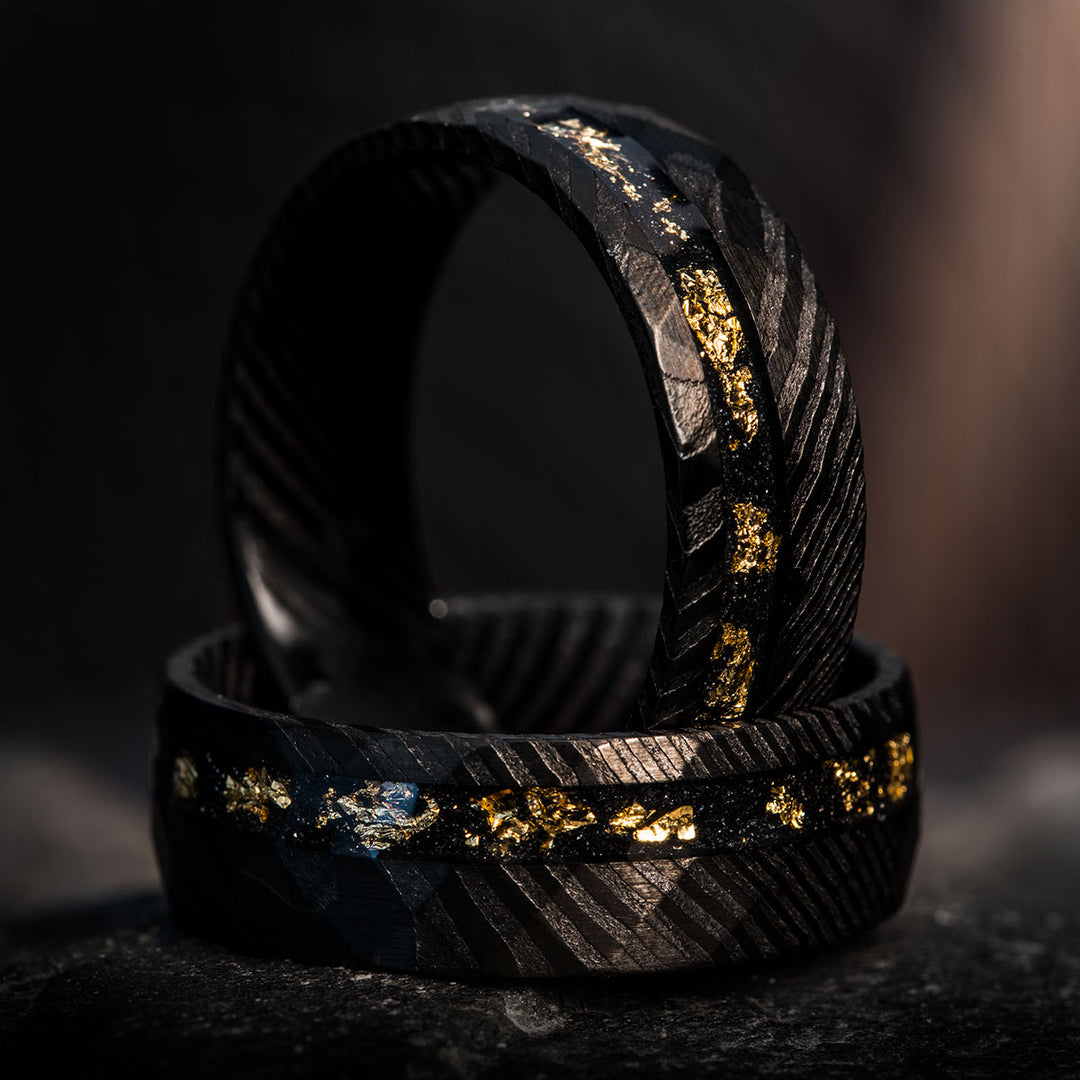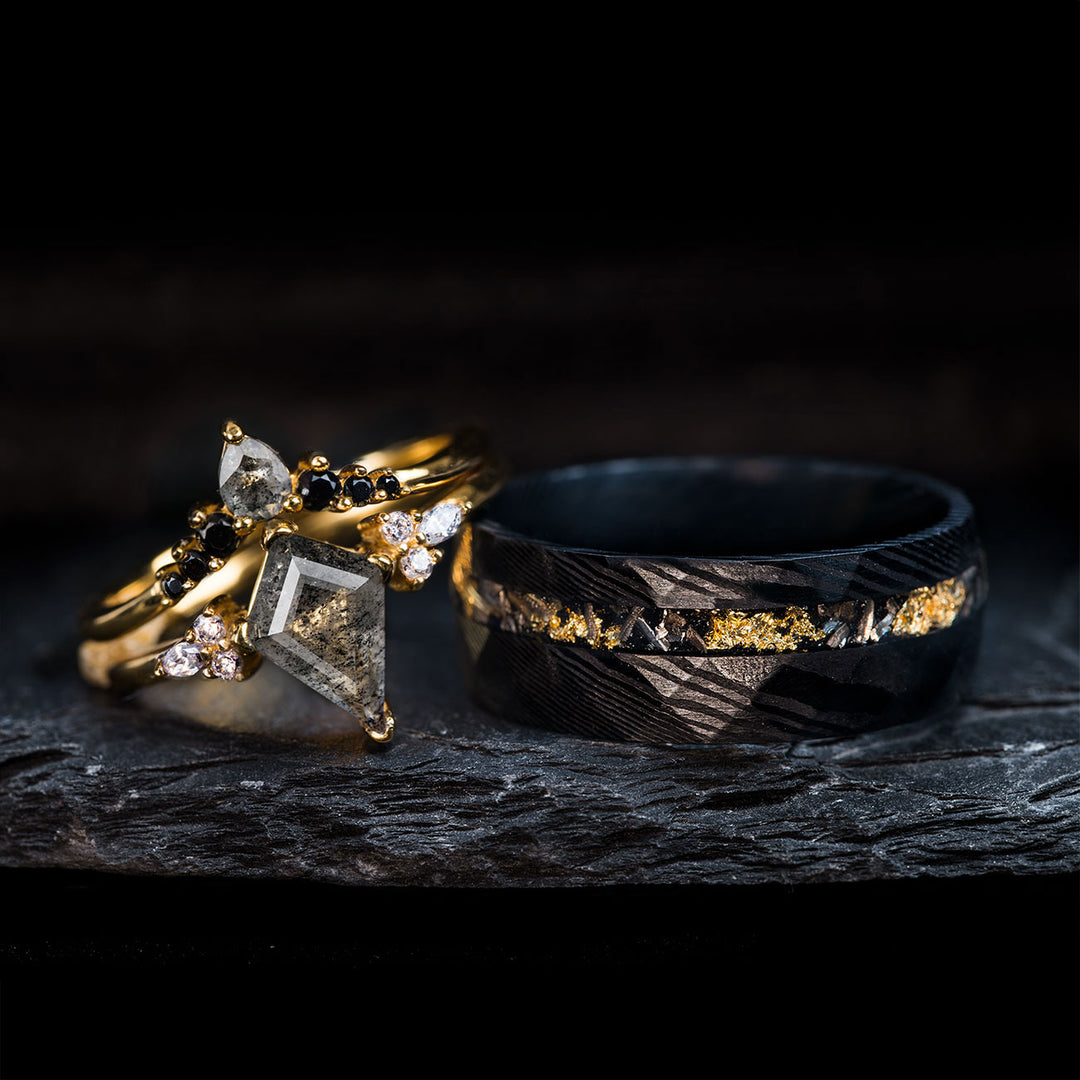


People want wedding rings that match their beliefs and the way they live their daily lives. Many people today are worried about mining, waste, and labor problems, so picking materials that are good for the environment has become an important step. These options don't make things less beautiful or good. They only do less harm and help the jewelry industry's better ways of doing things. Mining can harm the land, pollute the water, and make the workplace hazardous. You can lessen this effect by choosing a ring made from recycled or ethically sourced materials.

What Makes a Wedding Band Eco-Friendly
Some rings look "green," but the real test is how the material was sourced and processed. A material can be considered eco-friendly if it meets these points:
- It uses recycled or responsibly sourced metals or stones.
- It avoids harmful mining and reduces waste.
- The production process limits water use, energy use, and pollution.
- The ring is durable enough to last for decades.
- It can be repaired or recycled in the future.
A ring made from recycled platinum with a lab-grown stone meets these points well. Keeping these basics in mind helps you judge claims from brands and avoid misleading marketing. Next, we will look at the most common materials that meet these standards and why they are good choices.
Recycled Precious Metals: Gold, Platinum, and Silver
Recycled precious metals are among the easiest ways to reduce environmental impact. They work the same as newly mined metals, look the same, and last just as long. The key difference is that they avoid new mining.
Mining gold can create huge amounts of waste and use large volumes of water. Recycled metals skip this damage. They are melted and refined until they return to pure form, so quality does not change.
- Ask for sourcing details or certification.
- Pick brands that clearly explain their recycling process.
- Make sure "recycled" refers to the metal itself, not just packaging.
- Confirm the metal purity level.
Recycled precious metals work perfectly for couples who love classic styles but want peace of mind about environmental impact. They can be resized easily and match most design types. The main limit is that some unusual alloys may be harder to find, but most standard styles are widely available.

Fairtrade and Fairmined Gold
Fairtrade and Fairmined gold focus on improving labor and community conditions. Instead of using recycled materials, these certifications support small mining groups that follow safer and cleaner practices.
Fairmined and Fairtrade programs require fair wages, safer tools, and reduced pollution. They also ban child labor and mercury use. Each purchase supports local education, health services, and community growth.
These rings cost more than recycled metals due to higher production requirements. Choices may be more limited, but the impact on mining communities is meaningful. If your priority is ethical sourcing and supporting safer labor systems, this option fits well.
The environmental impact is higher than that of recycled metal, since the material still requires mining. But the social and safety standards help minimize harm and create long-term benefits for mining communities.

Lab-Grown Diamonds and Other Alternatives
Mining gemstones can harm land and water. Today, many couples avoid this by choosing lab-grown or recycled stones.
Lab-Grown Diamonds
These diamonds match mined diamonds in appearance and strength. Their production avoids land disruption and reduces pollution. Energy use depends on the lab, so many buyers choose brands that use renewable power.
Lab-grown diamonds usually cost 30–40% less than mined ones, letting couples pick larger or higher-quality stones without increasing their budget.
Moissanite, Recycled Stones, and Lab Stones
Moissanite is another strong and bright option. It is grown in labs, has high durability, and offers strong sparkle at a lower price.
Recycled gemstones are stones taken from older jewelry and reused. They require no new mining and provide a unique look.
These stones fit buyers who want sparkle without supporting mining. They are strong enough for everyday use, simple to care for, and budget-friendly.
Sustainable Metals: Titanium, Recycled Stainless Steel, and More
Beyond precious metals, alternative materials deliver strong durability and environmental benefits. These sustainable wedding band materials work well for couples wanting modern styles or budget-friendly options without giving up on ethics.
Titanium
Titanium rings are strong, lightweight, and hypoallergenic, which is perfect for sensitive skin or active lifestyles. This metal resists scratches, corrosion, and tarnishing far better than gold or silver. Many titanium rings include recycled content, which reduces environmental impact. The metal lasts a lifetime, so you'll never need a replacement. Titanium also accepts color treatments through anodizing, creating different shades without chemical dyes.
Recycled Stainless Steel
Recycled stainless steel ranks among the most eco-friendly wedding band materials you can find.
Made from recycled scrap metal, it needs almost no new mining.
The material is durable, hypoallergenic, and costs much less than precious metals.
Stainless steel fits casual, modern, or minimalist styles and needs little care.
The main drawback: resizing is difficult or impossible, so get your size right at purchase.
Both metals suit people who work with their hands or play sports. They're smart picks for couples who value function, affordability, and sustainability.
Natural and Reclaimed Materials
Some jewelers create unique eco-friendly wedding bands by mixing metals with reclaimed wood, recycled carbon fiber, or other natural materials. These hybrid designs cut down on metal use while adding distinctive character.
Reclaimed wood comes from old buildings, wine barrels, or fallen trees, giving new life to materials that would otherwise be discarded. Carbon fiber rings use recycled industrial materials, creating lightweight, durable bands with modern looks. Some designers pair recycled precious metals with sustainable material accents.
Things to think about:
- Wood needs protective coatings and isn't fully waterproof
- Better for occasional wear than everyday use
- Each ring looks different—no two are identical
- Materials may need refinishing or resealing over time
These rings are ideal for couples who want truly distinctive pieces or prefer to use less metal. They start conversations and show personal style that traditional bands can't. Just be honest about care needs and durability for your daily life.
How to Choose the Best Material for Your Lifestyle
With so many eco-friendly materials available for wedding bands, choosing the right option requires balancing your values, budget, and daily habits. This quick reference guide helps you match materials to your priorities and lifestyles.
- For traditional appearance: Recycled gold or platinum offers classic beauty with minimal environmental impact. These metals look identical to newly mined versions and work with any style preference.
- For budget-friendly eco options: Recycled stainless steel or moissanite delivers sustainability at accessible price points. Both materials are durable and attractive while costing significantly less than precious metals or diamonds.
- For outdoor and active wear: Titanium wedding rings resist damage better than softer metals, won't tarnish, and handles daily wear beautifully. Its lightweight feel is comfortable for people who work with their hands.
- For highest ethical standards: Fairtrade or Fairmined gold ensures your purchase actively supports better mining practices and community development, despite higher costs.
- For low-maintenance sparkle: Lab-grown diamonds or moissanite provide brilliance without mining concerns. Both stones are nearly maintenance-free and incredibly durable for everyday wear.
Think about combining priorities. For example, recycled platinum with a lab-grown diamond is better for the environment and still looks good. Your lifestyle is important too: if you're rough on jewelry, make sure it is strong and long-lasting.
What Can You Ask Before Buying Eco-Friendly Wedding Bands
You need practical questions to check if rings and retailers are truly sustainable. These questions help you spot real eco-friendly wedding band materials instead of empty marketing claims. Try to ask jewelers:
- Is the metal recycled? Can you show certification?
- Where did the gemstone come from? Do you have proof?
- Does your facility use renewable energy or hold environmental certifications?
- Can this ring be repaired, resized, or refinished later?
- Do you take back or recycle old jewelry?
Watch how jewelers respond. Vague answers or hesitation about paperwork are red flags. Trustworthy sustainable jewelers answer clearly and share details easily. Many can trace materials through every production step.
Ask about care needs and warranty coverage too. Even eco-friendly wedding rings need occasional maintenance. Knowing what's covered protects your purchase. Some brands include lifetime service or free refinishing.
Choose Your Perfect Sustainable Wedding Band
When you choose an eco-friendly wedding band, you don't have to give up beauty, durability, or personal style. The choice that is best for the environment is the one that balances your morals with the needs of your daily life. That could be recycled gold because you like classic styles, or it could be titanium because you're more athletic. Some couples choose Fairmined gold even though it costs more because they care about labor ethics, while others purely care about reducing their impact on the environment by using recycled materials. You should take the time to read, ask questions, and pick things that fit your needs and priorities.
FAQs
Q1: Are recycled gold wedding bands as durable as rings made from newly mined gold?
Recycled gold is chemically and physically identical to newly mined gold, offering the same durability, purity, and quality. The recycling process melts and refines existing gold to restore it to pure form, removing any impurities. This means a recycled gold wedding band resists scratches, keeps its shine, and lasts just as long as freshly mined gold. The only difference is the environmental benefit. Recycled gold skips destructive mining while giving you identical performance and beauty.
Q2: How much do lab-grown diamonds cost compared to mined diamonds for wedding bands?
Lab-grown diamonds typically cost 30 to 40 percent less than mined diamonds of similar size and quality. Laboratory production skips the high costs of mining, transportation, and complex supply chains. For couples choosing eco-friendly wedding rings, this means you can buy a larger stone or better quality within your budget. The lower price doesn't mean lower quality, as lab-grown diamonds match mined diamonds in brilliance, hardness, and durability, just with less environmental impact and better pricing.
Q3: If my ring size changes, can titanium wedding bands be resized to fit again?
Traditional jewelry methods can't be used to change the size of titanium wedding bands because the metal is so hard. Most jewelers can't work with titanium like they can with gold or platinum. They can't cut, stretch, or squeeze it. This means it's very important to get the right size from the start. To ensure a perfect fit before ordering, we highly recommend using a reliable home sizing tool. Some manufacturers let you trade your ring for a different size within a certain amount of time after you buy it.